 Skip to content


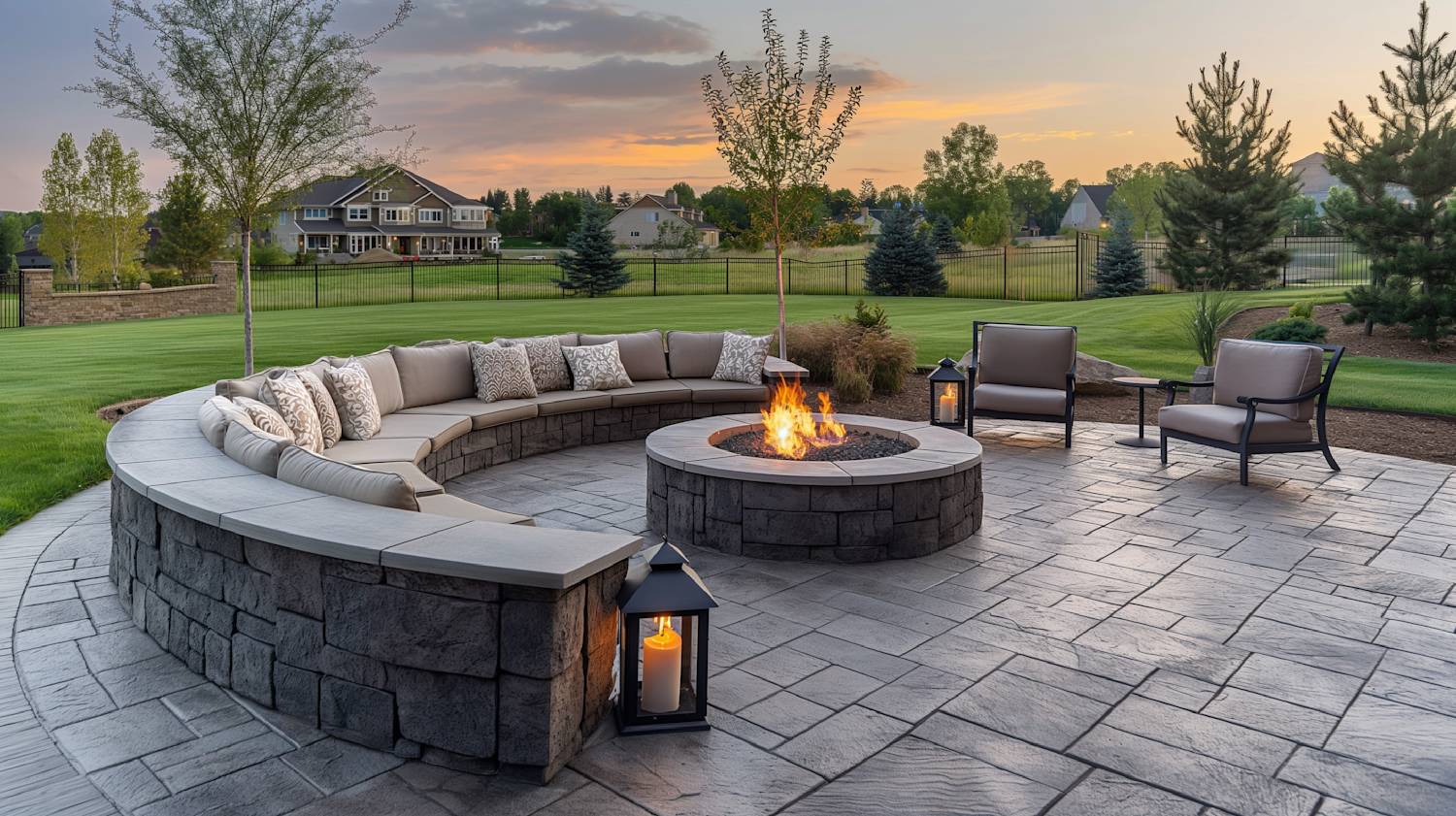
Top Coloured Concrete Ideas for Stunning Outdoor Spaces: Costs, Finishes & Comparisons
Estimated reading time: 12 minutes
Key Takeaways
- Coloured concrete involves integral pigments or surface stains that provide durable, fade-resistant colour throughout the slab.
- Popular outdoor uses include driveways, patios, alfresco areas, and garden walkways with designs focusing on earthy neutrals and vibrant accents.
- Polished concrete outdoors offers a sleek, low-maintenance finish that reflects light and resists weathering in harsh Australian climates.
- Coloured concrete generally costs less than stamped concrete, with savings of 20–50%, but offers less texture variation.
- Choosing the right colour and finish is critical; consider climate, maintenance, aesthetics, and durability for best results.
Table of contents
- Overview of Coloured Concrete: Definition and Types
- Popular Coloured Concrete Ideas for Outdoor Spaces
- Comparing Coloured vs Stamped Concrete
- Understanding Coloured Concrete Driveway Cost
- The Appeal and Practicality of Polished Concrete Outdoors
- How to Choose the Right Colour and Finish for Your Outdoor Space
- Conclusion
- Frequently Asked Questions
Overview of Coloured Concrete: Definition and Types
Coloured concrete involves mixing standard concrete with integral pigments, dyes, stains, or oxides. This process differs from surface coatings as the colour penetrates throughout the concrete slab, providing a full-depth colour that resists peeling, flaking, or fading—even under intense UV exposure or heavy foot traffic. As Terrastone notes, this integral colouring method ensures long-lasting, vibrant results suitable for Australia’s often harsh outdoor environments.
Key methods for colouring concrete include:
- Integral pigments: Added directly to the concrete mix, these saturate the entire slab, are fade-resistant, and provide uniform colour.
- Stains and dyes: Surface-applied before or after curing to create decorative or variegated effects; however, they lack the longevity of integral pigments.
- Polished concrete outdoors: Achieved by mechanically grinding and sealing the concrete, producing a shiny and hard-wearing surface with a contemporary aesthetic. See more at Betonn Concrete.
All these methods comply with Australian Standards AS 1379 (Specification and supply of concrete) and AS 3600 (Concrete structures), ensuring coloured concrete mixes perform reliably in high-traffic and outdoor settings.
Using these colouring methods offers exciting options for outdoor spaces, blending durability and decorative appeal fit for Australian homes.
Popular Coloured Concrete Ideas for Outdoor Spaces
Australian gardens, patios, driveways, and walkways increasingly embrace coloured concrete for its versatility and style. Here are some top applications and trending colour schemes:
Driveways
- Colours: Earthy shades like Terrastone Shell oxide mixed at 3% pigment dosage produce strong, fade-resistant hues from warm browns, sandstone tones to soft greys.
- Finishes: Broom finishes are common as they enhance slip resistance and durability.
- Bold Accents: Vibrant reds or charcoal tones make striking borders or feature strips, resisting tyre abrasion and maintaining appearance. More details at Betonn Concrete Finish Guide.
Experts like Panorama Concrete and SMP Buildcrete recommend these durable and attractive choices for driveways.
Patios and Alfresco Areas
- Colours: Neutral soft blues and greys suit alfresco zones and pool surrounds, complementing landscapes and reflecting light to keep areas cooler during hot WA summers.
- UV Resistance: UV inhibitors protect colours against fading and mildew, preserving vibrancy year-round.
- Benefits: Polished or honed finishes offer sleek looks and easier cleaning—perfect for BBQs and entertaining areas. Source: Betonn Concrete.
Walkways and Paths
- Striped and Contrasting Colours: Alternating soft greys with terracotta or warm ochre stripes add visual interest while complementing garden features.
- Textures: Exposed aggregate finishes reveal small pebbles and natural stones, blending concrete with garden landscapes.
- Colour Palettes: Suppliers like Boral and CCS Concrete offer concrete colour charts featuring neutrals, charcoal, sandstone, and eco-tone blends harmonious with native vegetation.
- Artistic Choices: Honed textures exposing about 0.5mm of aggregate or stamped patterns are used to add tactile and visual variety. Reference Stamped Concrete Patterns Guide.
These walkway options are practical, visually appealing, and adapted to varied weather conditions.
Comparing Coloured vs Stamped Concrete
Understanding the differences between coloured and stamped concrete is key to selecting the right material for your outdoor project.
| Feature | Coloured Concrete | Stamped Concrete |
|---|---|---|
| Aesthetic | Smooth or polished uniform colour finish, suitable for contemporary or rustic styles with sleek, texture-free hues. | Creates textured surfaces by imprinting patterns into coloured concrete, mimicking stone, slate, or brick for rich, detailed designs. |
| Durability | Integral pigments resist fading, chipping, and chemicals. Highly durable for foot and vehicle traffic in outdoor environments. | Strong as standard concrete but patterns may wear or fade faster in harsh weather, requiring more maintenance. |
| Cost | Typically $100–$150/m² installed. | 20–50% more expensive; $120–$200/m² due to added labour and materials for stamping. |
| Maintenance | Minimal upkeep with annual sweeping and resealing recommended. | More frequent sealing required to retain pattern clarity and prevent fading. |
Suitability:
- Coloured concrete suits budget-conscious projects focusing on uniform colour and durability.
- Stamped concrete is ideal when textured, intricate patterns resembling natural materials are preferred and budget permits.
This comparison helps homeowners decide between a simple, strong colour finish or an ornamental design effect. More info from Panorama Concrete and SMP Buildcrete.
Understanding Coloured Concrete Driveway Cost
Cost considerations are important when planning a coloured concrete driveway in Australia.
Cost Drivers:
- Slab thickness: Typically 100mm for residential driveways.
- Pigment dosage: 3% oxide content influences material price but essential for vivid, fade-resistant colour.
- Finish type: Broom finishes cost less than polished or stamped options, which need extra labour.
- Site preparation: Soil, slope, and access impact installation expense.
- Geographic location: Urban centres like Melbourne have higher labour rates compared to regional areas such as Ballarat.
Average Australian Prices (2026 Estimates):
| Item | Cost (AUD per m²) |
|---|---|
| Materials (concrete mix & pigments) | $50–$80 |
| Installation (labour, sealing, joints) | $50–$70 |
| Total Basic Coloured Concrete | $100–$150 |
| Polished/Stamped Finishes | $150–$250 |
| UV Inhibitors/Additives | Additional $10–$20/m² |
Compared to stamped concrete, coloured concrete driveways save 20–50% in costs. Polished concrete prices align closely with coloured concrete but include extra grinding and sealing steps.
Overlays or rejuvenation of existing slabs can be cost-effective alternatives to full replacements. Read more at Betonn Concrete Driveway Cost Guide.
Always request detailed quotes specifying concrete grade (e.g., C32), pigment type, Australian Standards compliance, and full inclusions to avoid surprises. Supplier Terrastone offers comprehensive technical advice on costing and mix designs.
The Appeal and Practicality of Polished Concrete Outdoors
Polished concrete is gaining popularity in Australia for combining style and practicality:
What is Polished Concrete Outdoors?
It is created by mechanically grinding and polishing the concrete surface to expose fine aggregates, then sealing it to provide a durable, non-toxic, low VOC glossy finish.
Typical Applications:
- Patios and verandahs
- Driveways and pool surrounds
- Outdoor dining and café areas
Key Benefits:
- Durability: Slip-resistant surface withstands foot traffic, tyre wear, and intense Aussie sun and heavy rain.
- Reflectivity: Reflects ambient light, lowering heat absorption to keep areas cooler, a real asset in hot climates like Perth.
- Aesthetic Appeal: Sleek and modern with customizable colours enhancing contemporary architectural styles.
- Low Maintenance: Easy cleaning with water and resealing every 2 to 3 years maintains gloss and protection.
It is hygienic and resists mould and mildew, making it a smart choice for residential and commercial outdoor environments. Learn more at Betonn Concrete.
How to Choose the Right Colour and Finish for Your Outdoor Space
Selecting the perfect colour and finish determines how well your outdoor space performs aesthetically and functionally.
Use Concrete Colour Chart Australia to Guide Choices
- Request samples from suppliers with extensive palettes, including neutrals, bold shades, and eco-friendly tones.
- Test samples outdoors in natural daylight to observe colour shifts across day phases. For palettes see CCS Concrete.
Recommended Colour Styles
- Neutrals: Charcoal, sandstone, and greys provide timeless appeal, great for classic gardens and traditional homes.
- Bold Colours: Ochre, slate blue, and deep reds create strong visual statements for modern or artistic landscapes.
- Eco-Tones: Greens and earthy hues blend naturally with native plants and outdoor surroundings.
Finishes Appropriate to the Space
- Broom Finish: Ideal for driveways and pathways where slip resistance and toughness are needed.
- Polished Finish: Perfect for patios and alfresco, providing a smooth, elegant, and easy-to-clean surface.
Climate Considerations
- Darker colours absorb heat and might become uncomfortable in hot regions; lighter colours reflect heat and stay cooler.
- UV-stable pigments retain vibrancy despite Australia’s intense sunlight.
For expert recommendations tailored to local traffic, weather, and budget, consult landscape designers or local concreters. Trusted advice available from Terrastone.
Conclusion
Coloured concrete offers a versatile, durable, and attractive way to enhance Australian outdoor spaces, from robust driveways to elegant patios and artfully designed walkways. Typical driveway costs range from $100 to $150/m², with premium polished finishes delivering extra style and heat-reflective benefits.
Choosing between coloured and stamped concrete depends on your priorities for aesthetics, budget, durability, and maintenance. Integral pigments ensure long-lasting colour with minimal upkeep, making coloured concrete a wise investment.
For personalised quotes and access to extensive concrete colour chart Australia palettes, contact experts such as Panorama Concrete or Terrastone. Start your outdoor transformation confident in a solution that blends beauty, resilience, and excellent value.
Frequently Asked Questions
- What makes integral pigments better than surface stains for coloured concrete?
- How does the cost of coloured concrete compare to stamped concrete?
- Are polished concrete surfaces suitable for outdoor use in Australia?
- How often should coloured concrete driveways be resealed?
- Where can I find colour charts for concrete in Australia?
What makes integral pigments better than surface stains for coloured concrete?
Integral pigments are mixed thoroughly throughout the concrete, giving full-depth colour that resists peeling, flaking, and fading, even under UV exposure and heavy traffic. Surface stains only colour the top layer and wear away faster.
How does the cost of coloured concrete compare to stamped concrete?
Coloured concrete typically costs 20–50% less than stamped concrete, averaging $100–$150/m² compared to $120–$200/m² for stamped. Stamped concrete requires more labour and materials.
Are polished concrete surfaces suitable for outdoor use in Australia?
Yes, polished concrete outdoors offers durable, slip-resistant, heat-reflective surfaces ideal for patios, driveways, and pool surrounds in Australian conditions. They are low maintenance and weather-resistant.
How often should coloured concrete driveways be resealed?
Annual sweeping plus resealing every 1–3 years is recommended to maintain colour vibrancy and protection, depending on traffic and climate exposure.
Where can I find colour charts for concrete in Australia?
Key suppliers provide extensive palettes online, including Boral and CCS Concrete.