 Skip to content


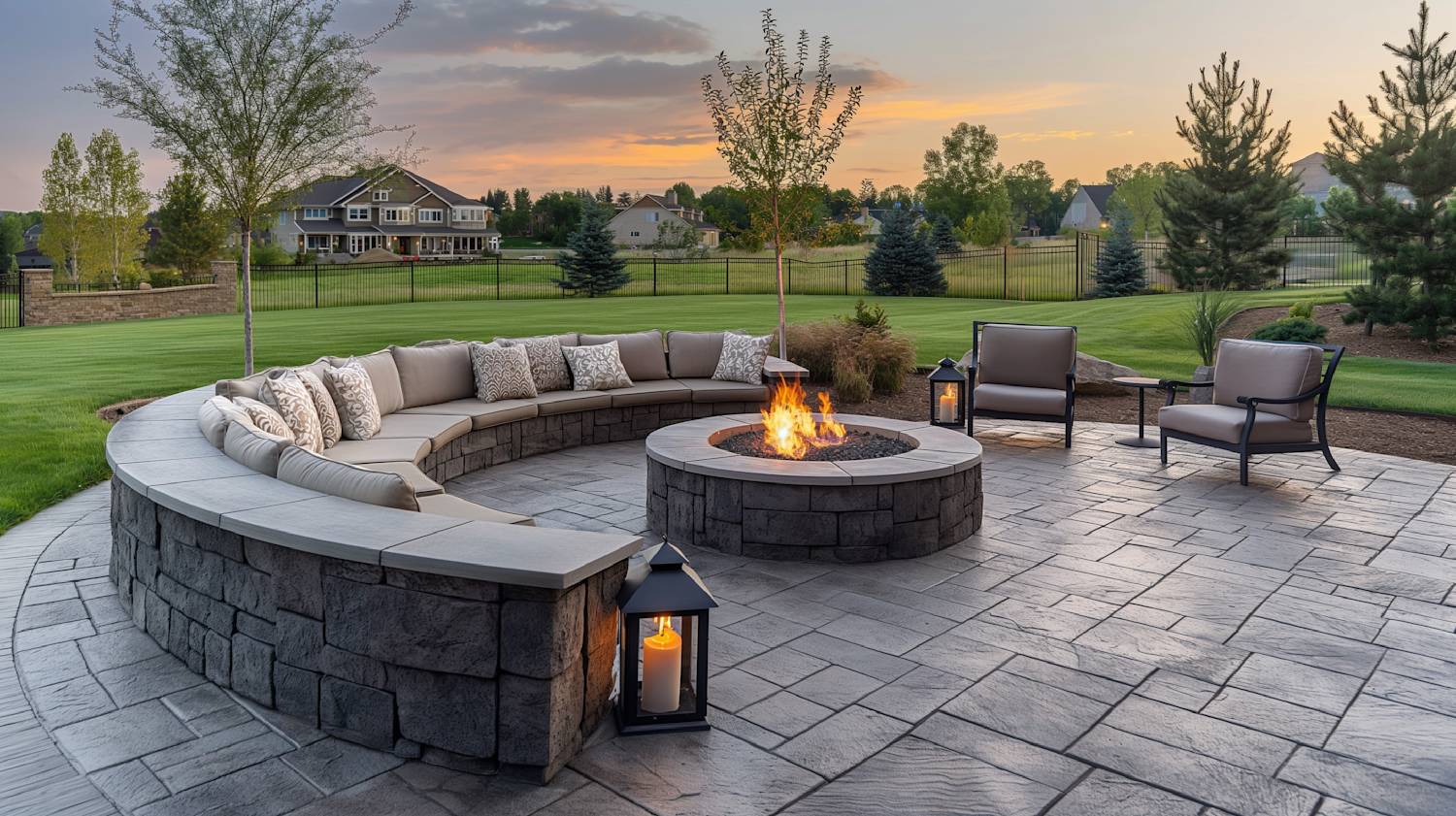
Top Coloured Concrete Ideas for Stunning Outdoor Spaces: Costs, Finishes & Comparisons
Estimated reading time: 12 minutes
Key Takeaways
- Coloured concrete provides vibrant, durable colour by mixing pigments into the concrete mix, perfect for outdoor Australian environments.
- Using a concrete colour chart Australia helps select hues that complement your landscape and climate for lasting beauty.
- The cost of a coloured concrete driveway typically ranges from AUD $100 to $200 per square metre depending on design and location.
- Polished concrete outdoors offers enhanced durability, aesthetics, and low maintenance ideal for patios and alfresco zones.
- Comparing coloured vs stamped concrete allows you to choose between sleek uniform colour or decorative pattern textures based on your project goals and budget.
Table of contents
- Introduction to Coloured Concrete Ideas
- Overview of Coloured Concrete: Methods and Colour Charts
- Coloured Concrete Ideas for Outdoor Spaces
- Coloured Concrete Driveway Cost: A Detailed Breakdown
- Polished Concrete Outdoors: Benefits and Applications
- Comparing Coloured vs Stamped Concrete: Which to Choose?
- Conclusion: Maximising Coloured Concrete’s Potential for Outdoor Spaces
- Frequently Asked Questions
Introduction to Coloured Concrete Ideas
Coloured concrete means concrete mixed with pigments or dyes, resulting in vibrant, lasting colours throughout the slab—not just surface coatings. This method ensures the hue remains strong and fade-resistant, unlike paints or sealants.
In Australia, coloured concrete is popular for outdoor applications including driveways, patios, pathways, and landscaping features. Its durability suits challenging climates like Perth’s intense sun and Melbourne’s seasonal changes.
This blog covers creative coloured concrete ideas, explains coloured concrete driveway cost, explores benefits of polished concrete outdoors, and compares coloured vs stamped concrete.
Overview of Coloured Concrete: Methods and Colour Charts
Coloured concrete achieves its look either by mixing pigments directly into the concrete (integral colour) or by applying surface treatments like stains or dyes. This produces a uniform, long-lasting colour.
Main Colouring Methods
- Integral Colour: Pigments blended into the mix before pouring, ensuring consistent, fade-resistant colours for high-traffic areas.
- Surface Treatments: Post-pour dyes or stains that create decorative effects but only affect the surface and may need reapplication.
- Stamped Concrete: Coloured concrete imprinted with patterns like brick, stone, or tile textures.
- Exposed Aggregate: Incorporates coloured stones into the mix, revealing textured, natural patterns.
The concrete colour chart Australia offers a spectrum of shades, from subtle earth tones to bright accents designed to withstand Australian sun exposure.
For more details, visit Terrastone’s article, Panorama Concrete’s overview, and our guide on Exposed Aggregate Driveway finishes.
Coloured Concrete Ideas for Outdoor Spaces
Coloured concrete’s versatility transforms various outdoor areas for homes or commercial spaces.
Creative Applications
- Driveways: Vehicle-resistant integral pigments in tones matching your home’s exterior enhance curb appeal while resisting sun and tyre wear.
- Patios: Seamless entertainment areas using shades that harmonise with outdoor furniture; polished finishes boost colour intensity for a modern vibe.
- Pathways: Muted or neutral colours from the concrete colour chart Australia blend paths naturally with garden settings.
- Poolsides & Alfresco Areas: Slip-resistant aggregates and heat-reflective pigments keep surfaces safe and cool.
Popular Colour Combinations
- Neutral greys or sandstone for walkways plus dark charcoal or rust accents on patios.
- Exposed aggregate with coloured river stones in tans and browns framing pools, enhancing texture and earthiness.
Landscaping Integration Tips
- Use contrasting coloured slabs to define garden zones or pathways clearly.
- Create durable borders with coloured concrete edges framing feature beds.
- Guide guests naturally with colour-coded walkways.
Explore more at Panorama Concrete, Terrastone’s colour-through concrete applications, and our post on Creative Coloured Concrete Ideas.
Coloured Concrete Driveway Cost: A Detailed Breakdown
Installing coloured concrete driveways in Australia costs more than plain concrete due to pigments, labour, and specialised finishes. Typical pricing is:
- AUD $100 – $200 per square metre, varying by location, size, and design complexity.
Factors Influencing Cost
| Factor | Description |
|---|---|
| Driveway Size | Larger areas use more materials and require longer labour. |
| Colour Complexity | Integral pigments add 10-20% to costs compared to standard grey. |
| Labour & Site Prep | Excavation, levelling, and finishing increase costs. |
| Materials Used | Quality pigments, UV inhibitors, sealers, and finishes impact pricing. |
| Slab Thickness | Typically 100mm for driveways; thicker slabs cost more. |
| Standards Compliance | Must meet AS 1379 for concrete grade and durability. |
Integral pigment dosage is usually around 3% oxide content for optimal saturation without compromising concrete strength. UV inhibitors help maintain colour under harsh sunlight.
For accurate pricing, request quotes considering local nuances. More details at our Concrete Driveway Cost in Australia guide.
Polished Concrete Outdoors: Benefits and Applications
Polished concrete outdoors is produced by mechanically grinding coloured concrete to reveal a glossy, reflective surface that enhances durability and style.
Benefits of Polished Concrete Outdoors
- Enhanced Durability: Resistant to abrasion, chemicals (including pool chlorine), and wear, suitable for patios and pool surrounds.
- Improved Aesthetics: Polishing intensifies colour vibrancy and reflects daylight for a striking effect.
- Low Maintenance: Easy to clean, resists peeling and flaking typical of painted surfaces.
Applications of Polished Coloured Concrete
- Residential patios and alfresco areas desiring a sleek, modern look.
- Commercial outdoor venues like cafes or plazas with heavy usage requirements.
While polishing adds to the coloured concrete driveway cost, it delivers long-term value through durability and appearance.
Learn more from Panorama Concrete’s insights, Terrastone’s finishing techniques, and our article on Coloured Concrete Ideas.
Comparing Coloured vs Stamped Concrete: Which to Choose?
Choosing between coloured and stamped concrete depends on the desired appearance, cost, maintenance, and functionality.
| Aspect | Coloured Concrete | Stamped Concrete |
|---|---|---|
| Appearance | Uniform colour throughout with subtle textures, ideal for modern, minimalist styles. | Coloured concrete imprinted with moulds replicating brick, stone, or tile patterns, adding intricate visual interest. |
| Cost | Base cost AUD $100-$200/m²; simpler installation and fewer specialised tools. | Typically 20-50% more expensive due to tooling, complexity, and labour intensity. |
| Maintenance | Minimal upkeep; integral colour resists fading; cleaning is straightforward. | Regular sealing needed to protect patterns and prevent wear, especially in high-traffic or wet zones. |
| Durability | Excellent durability with full-depth pigmentation resisting weathering and wear. | Comparable strength plus slip resistance from stamped texture, good for pools and alfresco areas. |
Recommended Usage
- Choose coloured concrete for high-traffic driveways prioritising longevity and low maintenance.
- Select stamped concrete to add decorative stone or brick aesthetics to patios and alfresco spaces without using real materials.
Further details are available at Panorama Concrete, Terrastone’s comparison, and our Stamped Concrete Patterns Guide.
Conclusion: Maximising Coloured Concrete’s Potential for Outdoor Spaces
In summary, coloured concrete ideas offer flexible, durable, and attractive options to elevate outdoor spaces like driveways, patios, and gardens across Australia.
Typical installation costs range from AUD $100 to $200 per square metre, reflecting pigment quality, finishes, and local trade rates. Choosing finishes such as polished concrete outdoors enhances both aesthetics and longevity.
Referencing the concrete colour chart Australia ensures the perfect hue for your environment, while professional installation ensures compliance with standards like AS 1379.
By weighing coloured vs stamped concrete based on style, budget, and maintenance needs, you can tailor outdoor areas for both beauty and function.
Ready to transform your outdoor spaces? Reach out to local concrete experts in Melbourne, Perth, or your region for quotes and advice. Explore more with Terrastone’s Colours Article and Manpower Concrete’s Resources.
To protect your investment, follow our expert tips on Concrete Driveway Maintenance for long-lasting appeal.
Start creating your stunning outdoor space with coloured concrete today!
Frequently Asked Questions
- What is the best method to colour concrete for outdoor use?
- How much does coloured concrete cost compared to plain concrete in Australia?
- What are the maintenance requirements for coloured concrete driveways?
- Is polished coloured concrete suitable for poolside areas?
- When should I consider stamped concrete instead of coloured concrete?
What is the best method to colour concrete for outdoor use?
Integral colour, where pigments are mixed fully into the concrete before pouring, is best for outdoor use due to its fade resistance and durability.
How much does coloured concrete cost compared to plain concrete in Australia?
Coloured concrete generally costs between AUD $100 and $200 per square metre, which is 10-20% more than plain grey concrete, depending on pigments and finishes.
What are the maintenance requirements for coloured concrete driveways?
Coloured concrete driveways require minimal maintenance; occasional cleaning and resealing every few years help maintain vibrancy and protect the surface.
Is polished coloured concrete suitable for poolside areas?
Yes, polished coloured concrete is durable and visually appealing for pool surrounds, especially when finished with slip-resistant treatments for safety.
When should I consider stamped concrete instead of coloured concrete?
Choose stamped concrete if you want textured patterns that mimic natural stone or brick, particularly for patios or alfresco areas where aesthetic detail is a priority.