 Skip to content


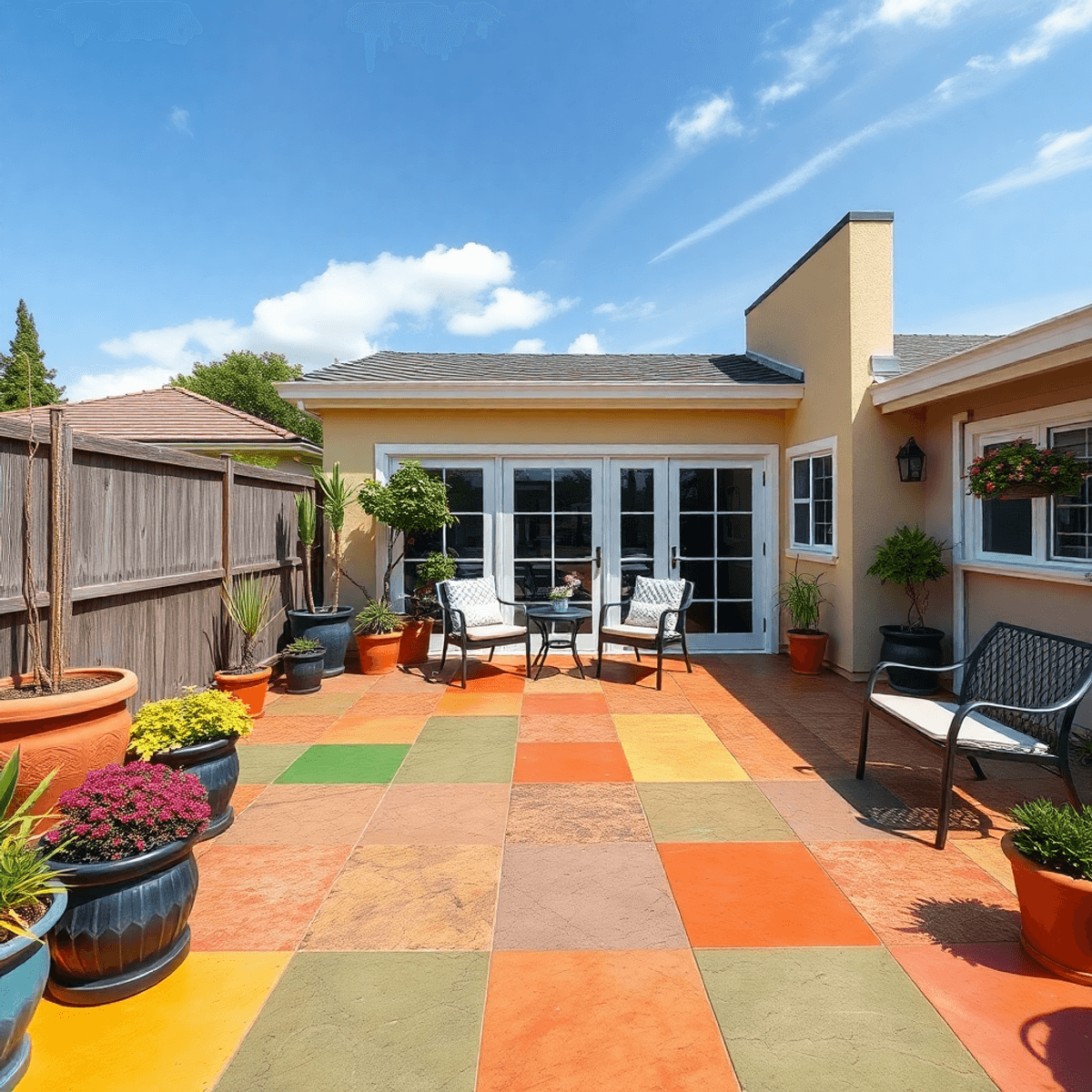
Coloured Concrete Ideas: Stunning Outdoor Finishes for Driveways, Patios & More
Estimated reading time: 12 minutes
Key Takeaways
- Transform your outdoor spaces with coloured concrete ideas that combine style and durability.
- Understanding different colouring techniques—integral colour, surface stains, and overlays—helps tailor your project.
- Choosing from popular colour families and creative designs can elevate curb appeal and outdoor living areas.
- Comparing coloured vs stamped concrete guides budget and maintenance decisions.
- Integrating polished concrete outdoors adds refinement and protection to exterior surfaces.
- Proper budgeting and maintenance extend the life and aesthetics of your coloured concrete installation.
Table of contents
- What is Coloured Concrete?
- Inspiring Coloured Concrete Ideas for Outdoors
- Comparing Coloured vs Stamped Concrete
- Understanding Polished Concrete Outdoors
- Budgeting: Coloured Concrete Driveway Cost
- Using the Concrete Colour Chart Australia for Selection
- Maintenance Tips for Coloured and Polished Concrete Outdoors
- Conclusion
- Frequently Asked Questions
Transforming ordinary outdoor spaces with coloured concrete ideas has become a popular trend in Australia. Whether it’s a driveway, patio, or walkway, coloured concrete offers homeowners a decorative yet durable solution that enhances curb appeal and adds long-lasting value to their property.
This blog explores the benefits of coloured concrete combined with polished concrete outdoors, discussing design options, maintenance tips, and budgeting considerations—including the important factor of coloured concrete driveway cost. With careful planning, these finishes provide versatile, low-maintenance outdoor surfaces that stand out.
What is Coloured Concrete?
Coloured concrete is created by adding pigmentation to concrete, producing surfaces with vibrant, consistent colours that go beyond conventional grey. There are three main colouring techniques:
- Integral colour: Pigments are mixed directly into the concrete batch, ensuring the colour permeates throughout the material. This results in excellent fade resistance, making it ideal for outdoor use like driveways and patios where durability is essential. Learn more.
- Surface-applied stains: These dyes or stains are applied after the concrete has cured. They create decorative effects with varied intensities and are commonly used to add nuance or highlight patterns.
- Overlays: A thin layer of coloured concrete is applied over existing concrete to refresh or upgrade its appearance—invaluable for patios or pool surrounds that require decorative enhancement without full replacement.
Each technique suits different outdoor projects: integral colours excel in heavy-traffic areas such as driveways where longevity matters, while stains and overlays offer design flexibility for patios and light-use walkways. Source
Understanding these approaches helps inform decisions around design, durability, and ultimately the coloured concrete driveway cost to expect for your project. Further details.
Source: Solomon Colours, Ergeon
Inspiring Coloured Concrete Ideas for Outdoors
Outdoor coloured concrete can dramatically change a space’s look. Popular colour families and design concepts include:
Popular Colour Families
- Gray shades: Light, medium, and charcoal grays remain versatile and timeless. Light gray maintains a clean background focus on landscaping, medium gray balances with both light and dark elements, and charcoal creates dramatic contrast suitable for modern architecture.
- Earth tones: Warm browns, taupe, and beige seamlessly blend with natural landscapes, offering extra benefit of masking stains and tire marks—ideal for high-traffic driveways. Maintenance info
- Rich reds & warm hues: Brick red and Santa Fe orange introduce warmth and vibrancy, making driveways distinctive and complementing neutral or greenery-heavy surroundings. Explore options
- Light, heat-reflective colours: Brilliant whites and light neutrals are practical in sunny Australian climates as they reflect heat, keeping surfaces cooler and reducing urban heat island effects.
- Subtle pastels: Soft tones like pale lavender, light pink, or muted yellow provide gentle, welcoming atmospheres for patios or garden paths seeking a unique character.
Creative Design Possibilities
- Combine complementary colours from a concrete colour chart Australia to create harmony or contrast depending on your style preference.
- Incorporate decorative borders, bands, saw-cut patterns, or stencilled motifs to add visual interest and break up large areas. Details here
- Use colour stripes or zones to define functional outdoor spaces or emphasise architectural elements.
Practical Colour Choice Tips
- For driveways and areas with heavy foot or vehicle traffic, opt for integral colour or colour hardeners for superior durability and lasting vibrancy.
- Light, reflective colours can mitigate heat absorption while dark tones lend themselves to hiding dirt for easier maintenance.
- Always consider your local climate, traffic conditions, and aesthetic goals when selecting a colour family.
Having a clear vision of colour and style allows your outdoor space to combine functionality with stunning visual appeal.
Source: Solomon Colours, Ergeon, Landscaping Network
Comparing Coloured vs Stamped Concrete
When choosing outdoor concrete finishes, understanding the difference between coloured concrete and stamped concrete is essential.
What is Stamped Concrete?
Stamped concrete is standard concrete embossed with patterns that replicate natural materials such as brick, stone, or tile. It specialises in detailed, textured surface designs, enhancing the decorative aspect beyond simple colour.
Key Differences
| Aspect | Coloured Concrete | Stamped Concrete |
|---|---|---|
| Visual Appeal | Uniform or blended colour with possible texture | Detailed, patterned surfaces mimicking natural stone or brick |
| Durability | Integral pigments resist fading well | Patterns require sealing to protect and maintain clarity |
| Maintenance | Simpler sealing upkeep | Frequent sealing needed to preserve patterns |
| Cost & Use Cases | Cost-effective for broad surfaces like driveways and patios | Higher cost, often for decorative, feature landscaping |
Coloured vs Stamped Concrete Cost
The coloured concrete driveway cost typically is lower for integral colour methods compared to stamped finishes because of less complex installation and reduced maintenance needs. Stamped concrete generally incurs higher initial and ongoing costs due to patterning, mould fees, and more frequent resealing. Cost insights.
Combining Colour and Stamping
For homeowners seeking both colour vibrancy and textured detail, coloured concrete can be paired with stamping. This hybrid approach maximises curb appeal and allows unique customisation of driveways, patios, and walkways. More info.
Understanding these differences helps ensure a finish that meets both aesthetic preferences and practical budget considerations.
Source: Solomon Colours, Houzz
Understanding Polished Concrete Outdoors
Polished concrete outdoors refers to concrete surfaces that have been ground down and sealed to achieve a smooth, refined finish with options from matte to glossy sheens.
Applications
- Patios
- Driveways
- Walkways
- Pool decks
- Garden paths
Benefits of Polishing
- Improved durability through pore sealing that resists stains, moisture, and wear.
- Enhanced aesthetics yielding bright surfaces with greater colour depth and uniformity.
- Allows seamless integration with coloured concrete ideas by polishing integral pigmented concretes to a premium finish.
Outdoor Sealing Recommendations
For exterior polished concrete, it is advised to use matte or penetrating sealers. These reduce glare from sunlight, preserve natural texture, and prevent the glossy shine from being too reflective, which can cause visual discomfort outdoors.
By combining polishing with integral colour, premium outdoor surfaces are created that balance looks, protection, and low maintenance. Learn more.
Source: Ergeon, Solomon Colours
Budgeting: Coloured Concrete Driveway Cost
When planning your outdoor project, understanding the factors influencing the coloured concrete driveway cost is vital.
Key Cost Factors
- Size and Surface Area: Larger driveways incur more material and labour costs. More info.
- Colouring Technique: Integral colour is generally more economical than stains or overlays. Details.
- Site Preparation: Ground condition, grading, demolition, and existing surface removal impact labour and materials.
- Finishing Techniques: Additional stamping, polishing, or sealing adds to costs.
- Geographic Location: Labour rates and material availability vary across Australian states and regions.
Cost Overview
Integral colouring offers cost-effective long-term solutions for driveways. Stamped concrete, while more decorative, typically costs more upfront and requires greater maintenance investment. Overlay applications for smaller areas like patios or repairs can present variable cost structures depending on complexity.
For accurate pricing within Australia, it is strongly recommended to seek quotes from local contractors who can assess site specifics and supply tailored estimates. Find out more.
Consulting these professionals ensures your budget aligns with your outdoor vision and durability needs.
Source: Industry guidelines, local contractor consultations recommended
Using the Concrete Colour Chart Australia for Selection
The concrete colour chart Australia is an invaluable tool designed to assist homeowners and builders in selecting appropriate colour options suited to the local market and climate.
How to Use the Colour Chart
- Review the chart to explore different colour options available through local concrete suppliers. View chart.
- Match colours with your home’s exterior finishes and surrounding landscaping. Details.
- Consider natural lighting conditions, making sure to view samples outdoors to observe real-world colour shifts.
- Test small patches on your actual driveway or patio space before committing to full installation.
Where to Access Charts and Samples
- Contact local Australian concrete suppliers and contractors to obtain physical charts and colour swatches.
- Many suppliers offer sample mixes or onsite trials to visualise colours under your unique ambient conditions.
Using the concrete colour chart as a guide helps avoid surprises and ensures your selecting finishes hold up aesthetically and practically in your environment. More info
Source: Solomon Colours, Ergeon
Maintenance Tips for Coloured and Polished Concrete Outdoors
Keeping your coloured and polished concrete outdoors looking their best requires appropriate care.
For Coloured Concrete
- Apply penetrating sealers, especially on light-coloured surfaces, to guard against stains from ash, grass clippings, and beverages. Tips.
- Opt for matte or penetrating sealers to reduce sun glare and maintain a natural-looking finish.
- Avoid high-gloss coatings on large outdoor areas, which can cause distracting reflections under sunlight.
- Choose earth tones for lower cleaning effort since these naturally conceal dirt and wear better than lighter colours. Learn why.
For Polished Concrete Outdoors
- Maintain the sealer regularly to preserve shine and colour vibrancy.
- Use matte or penetrating finishes instead of glossy sealers to minimise heat reflection and glare.
- Avoid harsh detergent or acidic cleaners that degrade sealer integrity over time.
- Schedule resealing based on foot traffic, weather exposure, and visible surface wear. Maintenance guide.
Preventive Measures
- Use light, solar-reflective pigments for large projects to reduce thermal heat absorption and fading.
- Promptly clean spills and keep a consistent sealing routine to avoid surface damage or discolouration.
Proper maintenance extends the life and appearance of your coloured concrete ideas, protecting your investment for years.
Source: Solomon Colours
Conclusion
Coloured concrete ideas and polished concrete outdoors offer unmatched versatility, durability, and aesthetic appeal for Australian outdoor spaces. Whether your preference is subtle earth tones, striking reds, or light-reflective whites, these finishes adapt beautifully to various climates, architectural styles, and functional needs.
Understanding the benefits, cost factors, and maintenance requirements ensures a successful project that elevates your property’s outdoor environment. Explore your options with local concrete suppliers to access colour charts, obtain samples, and schedule professional consultations tailored to your specific lifestyle and location.
By investing in quality coloured finishes, you achieve stunning, resilient smiles across driveways, patios, walkways, and beyond—ensuring your outdoor surfaces remain vibrant and functional through seasons to come.
Ready to transform your outdoors with expert coloured concrete ideas and manage your coloured concrete driveway cost wisely? Reach out to specialised Australian concrete professionals today to begin your vibrant journey with polished concrete outdoors.
Driveway cost info
Explore coloured concrete ideas
Frequently Asked Questions
- What are the main types of coloured concrete?
- How much does coloured concrete cost for a driveway?
- Can coloured concrete be polished outdoors?
- How do I maintain coloured concrete outdoors?
What are the main types of coloured concrete?
There are three primary types: integral colour (pigment added during mixing), surface-applied stains, and overlays (thin coloured layers applied on existing concrete). Integral colour is best for high-traffic outdoor areas.
How much does coloured concrete cost for a driveway?
Costs vary based on size, colouring technique, site preparation, and finishes. Integral colour is more economical than stamped or overlay finishes. For detailed pricing, obtaining local contractor quotes is recommended. More info.
Can coloured concrete be polished outdoors?
Yes. Polishing enhances durability and aesthetics. Exterior polished concrete typically uses matte or penetrating sealers to minimise glare and maintain a natural finish while protecting surfaces.
How do I maintain coloured concrete outdoors?
Use penetrating or matte sealers, avoid high-gloss coatings, clean spills promptly, and reseal surfaces regularly based on usage and exposure. Earth tones help hide dirt and wear for easier upkeep. Maintenance tips.