 Skip to content


Coloured Concrete Ideas: Transform Your Outdoor Spaces with Style and Durability
Estimated reading time: 8 minutes
Key Takeaways
- Coloured concrete uses integral pigments to create vibrant, durable outdoor surfaces lasting over 20 years.
- Understanding coloured concrete driveway cost and site factors helps with accurate budgeting.
- Finishes like polished concrete outdoors offer sleek looks with low maintenance.
- Using a concrete colour chart Australia ensures perfect tone selection suited to your environment.
- Comparing coloured vs stamped concrete highlights trade-offs in appearance, cost, and maintenance for your project.
Table of contents
- Overview of Coloured Concrete Ideas for Outdoor Spaces
- Understanding the Cost of a Coloured Concrete Driveway
- Polished Concrete Outdoors: A Sleek and Durable Finish
- Using a Concrete Colour Chart in Australia for Perfect Hue Selection
- Coloured vs Stamped Concrete: Which is Best for Your Project?
- Conclusion
- Frequently Asked Questions
Overview of Coloured Concrete Ideas for Outdoor Spaces
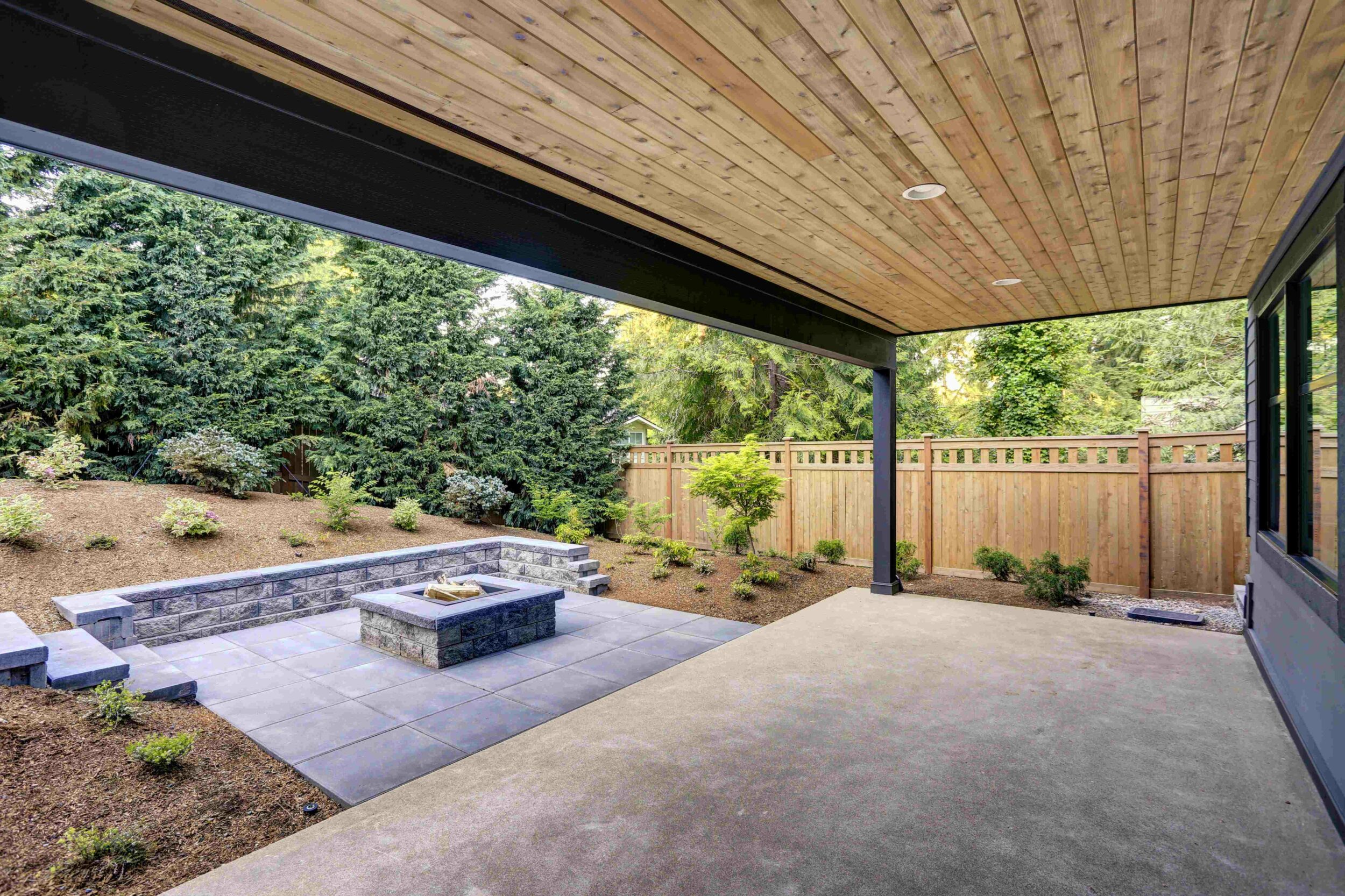
Coloured concrete is created by adding integral pigments directly into the concrete mix. Unlike surface paints or coatings that sit on top and chip or fade over time, these pigments penetrate deeply, ensuring the colour lasts more than 20 years without significant fading. This durability makes coloured concrete a superior choice for long-lasting outdoor finishes.
Source: hipages.com.au
What makes coloured concrete so appealing is its ability to mimic natural materials and introduce customised designs. It can replicate the look of stone, timber, or bespoke modern patterns, revitalising outdoor areas with stylish, low-maintenance finishes.
Common coloured concrete ideas that have gained traction in Australia include:
- Earthy reds and ochres that fit perfectly within rustic and bush-style backyards.
- Coastal blues for homes near the beach, reflecting serene waterways and skies.
- Neutral greys accented by bold colours that match contemporary home designs.
Regional trends highlight how colour blends with the natural landscape: in Melbourne and Perth, homeowners often choose hues that complement native flora and local stone textures.
Creative design examples include:
- Banded driveways featuring contrasting coloured borders that frame and define entryways. betonnconcrete.com.au
- Patios with subtle colour gradients crafted to create a seamless flow of hues, popular in Victoria and New South Wales. betonnconcrete.com.au
These design choices add value and uniqueness without demanding constant upkeep.
Sources: conceptconcrete.com.au, hipages.com.au
Incorporating a concrete colour chart Australia early in the planning process is important to choose tones that will work with your home’s style and location. This ensures you pick the perfect colour combinations in line with current trends and your personal taste.
Understanding the Cost of a Coloured Concrete Driveway
When budgeting for a coloured concrete driveway, understanding the main cost drivers helps avoid surprises. Here are the key factors influencing coloured concrete driveway cost:
- Size of the driveway: The typical minimum driveway measures 3 metres wide by 6 metres long, or 18 square metres. Larger areas raise the overall cost proportionally.
- Site conditions: A sloping site adds approximately $10 per m² due to the extra preparation needed for a stable surface.
- Pigment type and quality: Higher-grade or custom pigments can increase costs but provide richer, longer-lasting colour.
- Complexity of the design: Patterns, borders, or stamped elements require additional labour and materials.
- Labour rates: These vary across Australia, generally ranging from $30 to $45 per m² depending on location and contractor expertise.
- Additional site preparation: Excavation, removal of old concrete, or landscaping adjustments add to costs.
In the current Australian market, expect:
- Coloured concrete prices: $75–$95 per m² on average.
- Melbourne rates typically sit near $75–$90 per m².
- New South Wales prices vary more broadly, sometimes reaching $80–$170 per m² for more intricate colour variants or sloping terrain.
For a standard 18m² driveway, you are looking at approximately $1,350 to $1,710. Larger driveways of 30m² could cost up to $2,850. Costs increase to $85–$140 per m² on sloping or complex sites, or where custom dyes are used.
Sources: hipages.com.au, conceptconcrete.com.au, hipages.com.au
Comparing other driveway options shows coloured concrete is cost-effective:
- Plain concrete: $65–$85/m² betonnconcrete.com.au
- Stamped concrete: $100–$200/m² (higher with elaborate designs) betonnconcrete.com.au
- Exposed aggregate: $100–$150/m² betonnconcrete.com.au
- Paving stones: $40–$100/m²
Overall, coloured concrete offers an excellent balance of aesthetic appeal and affordability compared to textured or premium materials.
Source: hipages.com.au
Polished Concrete Outdoors: A Sleek and Durable Finish
Polished concrete outdoors means grinding and sealing concrete surfaces to achieve a smooth, glossy finish suitable for driveways and patios once properly set and reinforced.
Benefits for Australian outdoor environments include:
- Durability: Polished concrete resists cracking, staining, and UV fading, standing strong against harsh weather conditions like intense sun and heavy rain.
- Aesthetic appeal: The sleek, modern surface creates a sophisticated look that enhances contemporary homes.
- Low maintenance: Usually requires resealing only every few years. Slip resistance can be increased with textured sealants or additives to ensure outdoor safety.
This finish combines functional resilience with a polished appearance that stands the test of time.
When comparing polished concrete outdoors with coloured concrete:
- Polished concrete offers a uniform glossy sheen but tends to have less variation in design patterns.
- Coloured concrete provides a broad palette with custom colours and patterns, with similar maintenance demands. betonnconcrete.com.au
- Polishing adds an extra $50–$60 per m² after the concrete is poured and cured.
Choosing between these finishes depends on desired aesthetics and budget; polished for a streamlined, high-gloss look or coloured concrete for more vibrant design flexibility.
Source: hipages.com.au
Using a Concrete Colour Chart in Australia for Perfect Hue Selection
A concrete colour chart Australia contains physical or digital swatches from local pigment suppliers. These swatches show the full range of colours designed to endure Australian environmental conditions, providing accurate representations of hues like terracotta, charcoal, sandstone and more.
Key points when using a colour chart:
- Always examine physical samples under natural sunlight rather than relying solely on digital images to avoid colour distortion.
- Trending colours vary regionally:
- Warm neutrals like beiges and taupes are trending for Victorian homes. betonnconcrete.com.au
- Vibrant oxide reds and oranges complement Queensland’s tropical style.
- Slate greys are popular in Perth, harmonising with local limestone architecture.
Practical tips for choosing the right colour:
- Match colours with existing home features such as roof tiles, brickwork, or fencing—for example, ochre shades pair well with brick homes.
- Conduct small test patches outdoors to observe fade resistance and how the colour changes with sun exposure.
- Consult with local concreters to select UV-stable pigments developed for Australian climates, ensuring lasting vibrancy.
Using a colour chart early avoids costly mistakes and helps you pick the perfect tone for your home environment.
Sources: hipages.com.au, conceptconcrete.com.au, decconcreting.com.au
Coloured vs Stamped Concrete: Which is Best for Your Project?
To choose between coloured vs stamped concrete, it helps to understand what sets each apart.
- Coloured concrete has integral pigments mixed into the concrete for a consistent colour throughout the slab. It focuses on solid or simple patterns without textures.
- Stamped concrete involves pouring coloured concrete, then impressing detailed textures — like stone, brick, slate or wood grain — onto its surface using moulds. This adds a 3D design element.
| Aspect | Coloured Concrete | Stamped Concrete |
|---|---|---|
| Durability | Integral pigments last 20+ years with strong fade and wear resistance. | Similar concrete base, but surface sealants wear faster and need more upkeep. betonnconcrete.com.au |
| Design versatility | Limited to solid colours and basic patterns. | Wide selection of intricate textures and multi-colour patterns. |
| Installation | Simpler, faster; pigments mixed into concrete before pouring. | Additional labour for stamping after concrete is poured and set. |
| Cost (per m²) | $75–$95 on average. | $100–$200 depending on complexity and design. |
Pros of coloured concrete:
- More affordable upfront and ongoing.
- Easier to maintain with integral colour remaining visible despite chips or wear.
- Excellent fade resistance suitable for Australian sun.
Cons:
- Visual effects are simpler with fewer textural options.
Pros of stamped concrete:
- Creates realistic, high-end appearances mimicking natural stone or brickwork.
- Extensive design versatility with complex patterns and shading.
Cons:
- Higher initial cost and ongoing maintenance to prevent sealant cracking.
- Sealants can degrade quicker under Australia’s heat, leading to more frequent upkeep.
For those seeking budget-friendly durable colour, coloured concrete is ideal. If premium, realistic textures are a priority and budget permits, stamped concrete is the preferred option.
Sources: hipages.com.au, conceptconcrete.com.au, hipages.com.au
Conclusion
In summary, coloured concrete ideas open up extensive possibilities for Australian outdoor spaces, offering vibrant, durable, and low-maintenance solutions for driveways, patios, and pathways.
Understanding the coloured concrete driveway cost helps you budget with confidence, whilst exploring finishes like polished concrete outdoors offers sleek alternatives when seeking a glossy modern look. Using a concrete colour chart Australia guides you towards selecting colours that complement and enhance your home’s natural environment.
Finally, deciding between coloured vs stamped concrete involves weighing budget, desired texture, and maintenance preferences. Engage with local suppliers or contractors early to obtain tailored samples, accurate quotes, and expert advice, ensuring your project yields beautiful, lasting results.
Embrace coloured concrete’s versatility and resilience to transform your outdoor areas into eye-catching, long-lasting features that enhance your home’s appeal and value.
Frequently Asked Questions
- What is coloured concrete and why is it popular for outdoor spaces?
- How much does a coloured concrete driveway typically cost in Australia?
- What are the benefits of polished concrete outdoors?
- How do I choose the right colour using a concrete colour chart?
- Should I choose coloured or stamped concrete for my project?
What is coloured concrete and why is it popular for outdoor spaces?
Coloured concrete is concrete mixed with integral pigments that give it vibrant, lasting colour. It is popular because it offers durable, low-maintenance outdoor surfaces that can mimic natural materials and provide customised design options.
How much does a coloured concrete driveway typically cost in Australia?
Costs vary by size, site conditions, pigment quality, and design complexity, but typically range from $75 to $95 per m², with sloping sites or custom dyes costing more. A standard 18m² driveway can cost between $1,350 and $1,710.
Source: hipages.com.au
What are the benefits of polished concrete outdoors?
Polished concrete is durable, resists UV fading and stains, has a sleek, modern appearance, and requires low maintenance. It’s ideal for Australian outdoor environments with high foot traffic and weather exposure.
How do I choose the right colour using a concrete colour chart?
Use physical swatches under natural sunlight, consider regional colour trends, match with existing home features, test small patches outdoors, and consult local suppliers for UV-stable pigments suitable for Australian climates.
Should I choose coloured or stamped concrete for my project?
Coloured concrete is more affordable and easier to maintain with solid colours, while stamped concrete offers intricate textures and realistic patterns at a higher cost and maintenance level. Your choice depends on budget, design preferences, and upkeep willingness.