 Skip to content


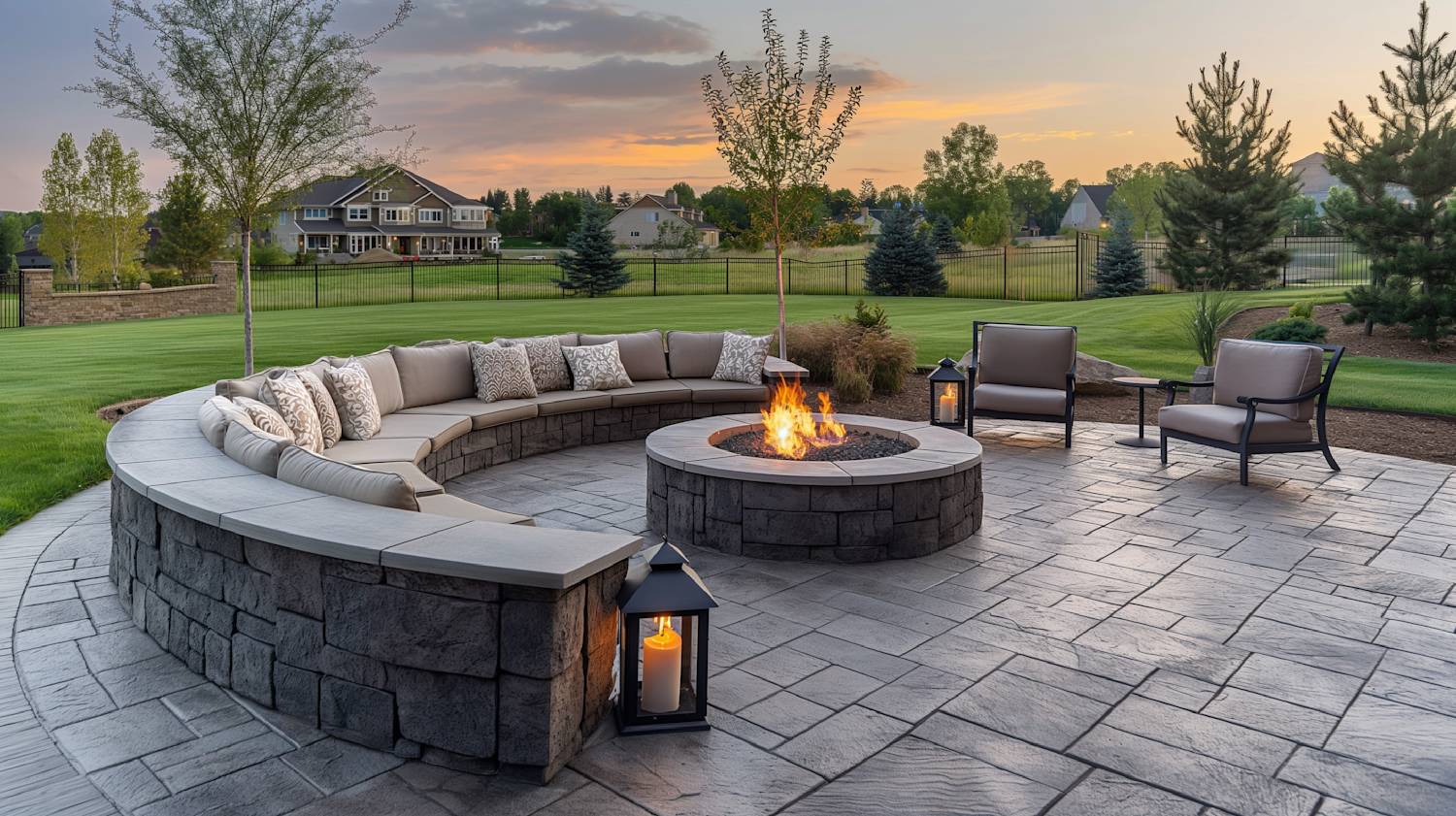
Coloured Concrete Ideas for Outdoor Spaces: A Complete Guide
Estimated reading time: 12 minutes
Key Takeaways
- Coloured concrete integrates pigments throughout the slab, ensuring permanent, uniform colour with minimal maintenance.
- It’s ideal for outdoor spaces like driveways, patios, pathways, and retaining walls.
- Coloured vs stamped concrete: bold colour with simple finish versus patterned texture and natural mimicry.
Compare details at stamped concrete patterns guide and differences between coloured and stained concrete. - Polished concrete outdoors adds a sleek, glossy look but requires slip-resistant treatments for wet areas.
- Factors affecting coloured concrete driveway cost include pigmentation, labour, sealing, and customisation.
Explore costs here.
Table of contents
- Overview of Coloured Concrete
- Creative Coloured Concrete Ideas for Outdoor Use
- Concrete Colour Chart Australia: Choosing the Right Shade
- Coloured Concrete Driveway Cost Breakdown
- Polished Concrete Outdoors: Benefits and Considerations
- Coloured vs Stamped Concrete: What’s the Difference?
- Conclusion: Transform Your Outdoor Spaces with Coloured Concrete
- Frequently Asked Questions
Overview of Coloured Concrete
Coloured concrete is produced by mixing pigments directly into the concrete during batching, creating a colour that permeates the entire slab. This *uniform integration* guarantees lasting, fade-resistant hues, perfect for Australian outdoor conditions.
Common Uses of Coloured Concrete Outdoors
- Driveways: Provides a customised, durable surface that can withstand heavy vehicle traffic. See details here.
- Patios: Adds style and character to outdoor living spaces.
- Plazas and Public Spaces: Durable, vibrant surfaces for high foot traffic.
- Pathways: Clear colour cues define walkways.
- Retaining Walls and Planters: Combines function with aesthetic appeal.
Coloured vs Stamped Concrete
Coloured concrete delivers solid, consistent colour from the slab itself, while stamped concrete adds surface textures mimicking stone, brick, or tile. Combining both creates vibrant, patterned effects. Learn more from this stamped concrete patterns guide.
Both types require sealing for longevity and moisture protection. Stamped concrete usually offers better slip resistance, ideal near water features. More info is available here.
Creative Coloured Concrete Ideas for Outdoor Use
Coloured concrete opens endless creative possibilities. By mixing colours, textures, and layouts, personalise your outdoor spaces with unique flair.
Patios and Outdoor Living Areas
- Subtle colour shifts mimic natural stone or wood for an organic garden vibe.
- Bold contrasting borders frame patios with a sharp, architectural feel.
- Cool tones like light gray or blue-gray complement pools and water features.
- Earth tones such as sage green and beige-tan blend with landscaping.
Driveways and Entries
- Tan bases with brown borders reflect heat in warm climates, ideal for Mediterranean style.
- Gray with charcoal accents suits sleek, minimalistic designs.
- Custom borders or inset designs elevate curb appeal. Explore more ideas.
Pathways and Public Spaces
- Vibrant colours can direct foot traffic effectively.
- Colour zoning highlights seating and art installations.
- Defines areas for recreation or relaxation in public venues.
Pool Surrounds
- Slip-resistant coloured concrete ensures safety.
- Colours withstand chlorine and chemicals without fading.
- Cool or neutral palettes provide a refreshing resort feel.
Retaining Walls and Planters
- Match coloured concrete with natural surroundings for cohesion.
- Use weather-resistant pigments for durability.
- Coordinate planters with garden features.
Discover more inspiring concepts at creative uses of coloured concrete and modern home solutions.
Concrete Colour Chart Australia: Choosing the Right Shade
Australian climate demands careful pigment selection for coloured concrete, balancing UV resistance, weather resilience, and aesthetics.
Popular Colour Choices for Australian Outdoor Concrete
- Tan and Brown: Reflect heat and suit Mediterranean or traditional homes.
- Gray and Charcoal: Favoured for sleek modern looks with moderate heat absorption.
- Cool Tones: Light gray and soft blue-gray reduce heat on pool surrounds.
- Natural Tones: Sage green and beige-tan mesh seamlessly with garden flora.
Australian Climate Considerations
- UV Exposure: Pigments should maintain vibrancy despite intense sunlight.
- Rain and Temperature Fluctuations: Resistant to fading, cracking, and moisture ingress.
- Sealing: Essential for preserving colour and surface integrity. Learn sealing tips.
Practical Tips
- Consult Australian concrete colour charts from reliable suppliers.
- Test samples on-site to evaluate real-world light effects. Source samples and charts.
Coloured Concrete Driveway Cost Breakdown
Budget for your coloured concrete driveway by understanding key cost components.
Primary Cost Drivers
- Material and Pigmentation: Integral pigments add durability with moderate cost; stained surfaces are cheaper but less lasting.
- Labour and Preparation: Excavation and custom designs increase man-hours and expenses.
- Sealing: Specialist sealants protect against Australia’s climate extremes and vehicle wear.
- Maintenance Savings: Higher upfront costs offset by reduced repairs and repainting.
Typical Cost Ranges in Australia
- Mid-range costs generally fall between $120 to $180 per m².
- Premium designs and pigments may push prices to $250+ per m².
- Compared to asphalt or pavers, coloured concrete presents better longevity and value. More on costs and benefits.
Polished Concrete Outdoors: Benefits and Considerations
Polished concrete enhances outdoor spaces through surface grinding and sealing, creating a smooth, glossy finish.
Defining Polished Concrete
- Focuses on surface finish, offering gloss and reflection.
- May be combined with colouring but differs from integral pigmentation.
- Popular in patios, courtyards, commercial walkways;
see examples here.
Benefits for Outdoor Use
- Durability: Resists abrasion and wear better than unsealed concrete.
- Stain & Dirt Resistance: Easier to maintain aesthetics.
- Low Maintenance: Requires less frequent cleaning and resealing.
- Visual Appeal: Glossy, modern look for sophisticated outdoor areas.
Practical Outdoor Considerations
- Slip Resistance: Polished surfaces can be slippery when wet.
- Non-Slip Treatments: Additional texture or sealants improve safety.
- Weather Resistance: Proper sealing essential to protect against moisture, UV, and temp changes.
Coloured vs Stamped Concrete: What’s the Difference?
Knowing these differences will help select the right finish for your outdoor project.
Stamped Concrete Overview
- Imprints patterns and textures onto fresh concrete.
- Mimics stone, brick, tile, offering great visual depth with patterns.
- Can include integral colours or surface stains for enhanced effects.
Comparison
| Feature | Coloured Concrete | Stamped Concrete |
|---|---|---|
| Appearance | Uniform, solid colour | Textured with patterns |
| Cost | Generally lower | Higher; labor intensive |
| Installation | Simpler and quicker | Requires skilled stamping during curing |
| Slip Resistance | Moderate, depends on sealers | Often better (textured surface) |
| Suitable for | Modern, minimalist, solid colour | Traditional, rustic, patterned surfaces |
When to Choose Which
- Choose coloured concrete if: you want bold, modern colour; faster installation and lower budget.
- Choose stamped concrete if: texture, complex design, or better slip resistance is needed (e.g., poolside).
Read more at creative uses of coloured concrete and comparison article.
Conclusion: Transform Your Outdoor Spaces with Coloured Concrete
Coloured concrete is a durable, vibrant, and flexible option for Australian outdoor projects. Its fade-resistant properties and wide colour choices help create inviting patios, driveways, plazas, and landscaping elements that stand the test of time.
Knowing the differences between coloured, stamped, and polished finishes allows tailored solutions to your style and functional needs, balancing cost, appearance, and safety. While initial costs can be higher, long-term benefits and low maintenance make coloured concrete a smart investment.
By consulting professionals experienced in Australian climate and pigment requirements, you can confidently realise your ideal outdoor aesthetic with lasting performance.
Explore the possibilities and elevate your outdoor spaces today.
Frequently Asked Questions
- What makes coloured concrete different from painting concrete?
- How long does coloured concrete last in outdoor settings?
- Is sealing necessary for coloured concrete outside?
- Can polished concrete be used safely around pools?
What makes coloured concrete different from painting concrete?
Coloured concrete has pigments mixed into the concrete itself, producing colour throughout the slab, whereas painting applies colour only to the surface, which can peel or fade with wear.
How long does coloured concrete last in outdoor settings?
With proper installation and sealing, coloured concrete can last for decades without significant fading or deterioration, even in harsh Australian climates.
Is sealing necessary for coloured concrete outside?
Yes, sealing protects against moisture, UV damage, staining, and surface wear, preserving colour vibrancy and surface integrity.
Can polished concrete be used safely around pools?
Polished concrete can become slippery when wet, so non-slip treatments or anti-slip sealers are recommended for pool surrounds to enhance safety.