 Skip to content


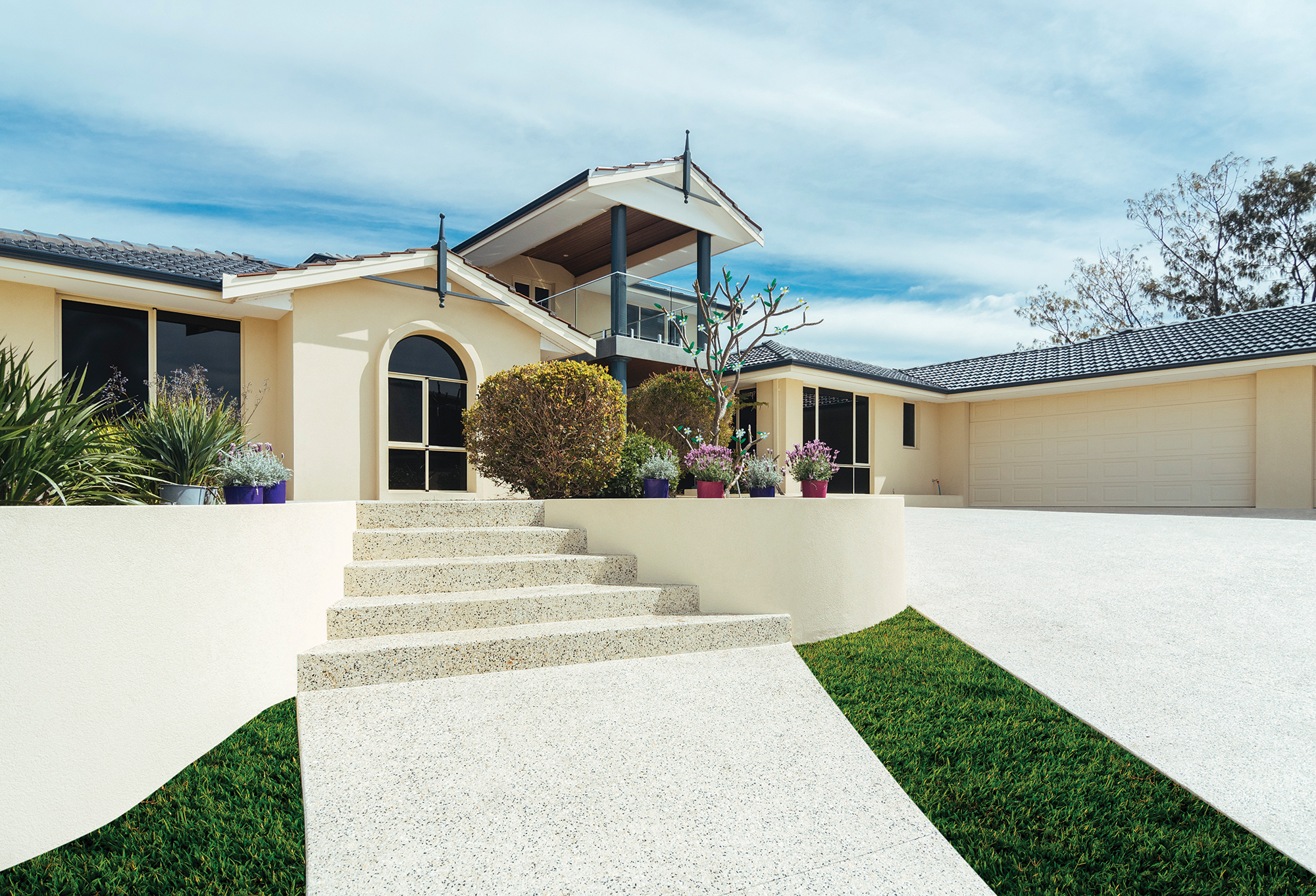
Coloured Concrete Ideas: Durable, Stylish Concrete Options for Australian Homes
Estimated reading time: 8 minutes
Key Takeaways
- Coloured concrete uses pigments for vibrant, fade-resistant colour throughout slabs, ideal for Australian outdoor living.
- Popular techniques include integral colouring, dry-shake hardeners, stains, and dyes, each offering unique effects.
- Design ideas span from earthy-tone driveways to textured patios, walkways, and creative colour mixes tailored to your home’s style.
- Polished concrete outdoors combines sleek finishes with durability and low maintenance, suited for harsh Australian conditions.
- Understanding coloured concrete driveway cost and comparing coloured vs stamped concrete helps guide informed project decisions.
Table of contents
- Overview of Coloured Concrete: Methods and Colours
- Coloured Concrete Ideas: Design Inspiration for Outdoor Spaces
- Polished Concrete Outdoors: Sleek Durability for Australian Conditions
- Coloured Concrete Driveway Cost: What to Expect in Australia
- Coloured vs Stamped Concrete: Choosing the Right Decorative Concrete
- Conclusion: Unlock the Potential of Coloured Concrete for Your Project
- Frequently Asked Questions
Concrete is a fundamental material in Australian homes—but the new wave of coloured concrete ideas is redefining how we see it. These durable, stylish options combine aesthetic flexibility with practical performance, perfect for Australian climates and designs.
Overview of Coloured Concrete: Methods and Colours
Coloured concrete takes traditional grey slabs beyond the mundane by integrating pigments directly into the mix or applying colour to surfaces, resulting in vibrant, fade-resistant tones suited to Australia’s harsh sunlight and weather extremes.
Common Colouring Techniques
- Integral colouring
Pigments or oxides are mixed into wet concrete, ensuring colour permeates the entire slab for durability and consistent wear patterns. - Dry-shake colour hardeners
Coloured powders are spread on freshly poured concrete creating a hard, colour-rich surface layer, ideal for durability and high-traffic areas. - Stains
Chemically reactive liquids penetrate existing slabs, offering variegated hues but requiring excellent surface prep. - Dyes
Sprayed on for quick colour effects, generally for indoor or low-exposure outdoor use due to lower UV resistance.
Australian Colour Options and Charts
Using an Australian-specific concrete colour chart Australia can help select hues tailored to the environment. Options include:
- Frost – cool pale grey
- Tungsten – dark, moody grey
- Coconut – warm beige mimicking sandy tones
- Tuscan Clay – terracotta warmth
- Burnt Orange – vibrant rustic orange
- Charcoal – deep near-black grey
Request physical samples to gauge how each colour interacts with natural light and site conditions — essential to avoid surprises post-pour.
Sources:
boral.com.au | aussieallstars.com.au | terrastone.com.au | australianslatecretesupplies.com.au
Coloured Concrete Ideas: Design Inspiration for Outdoor Spaces
Coloured concrete’s versatility makes it ideal for enhancing outdoor areas with both function and style.
Driveways
Driveways create the first impression. Earthy tones like Desert Red and Cacao blend elegantly with native gardens. Adding a broomed texture boost grip and safety, especially in wet weather.
Learn more about finishes at the exposed aggregate driveway finishes and benefits guide.
Patios and Pool Surrounds
For sunny regions like Perth, coastal colours such as Coconut or Tuscan Clay create relaxed atmospheres. Paired with exposed aggregate finishes, these areas offer slip resistance and lively texture perfect for entertaining.
Walkways and Garden Features
Walkways benefit from reddish-earthy hues, emulating natural dirt paths that blend with garden beds. Combining colours like Silver with stamping or sandblasting adds depth and visual interest, guiding landscape flow.
Creative Colour Mixing and Finishes
- Mix and match colours for striking contrasts or subtle blends that suit architectural styles.
- Use coloured aggregates for added texture and colour variegation.
- Finishes like honed or sealed offer smooth, luxurious options with easy upkeep.
Minimalist homes favour neutral greys; mediterranean or rustic styles pair well with warm clays and terracottas.
More inspiration is available at Coloured Concrete Ideas: Creative and Durable Ways to Transform Your Outdoor Spaces.
Sources:
boral.com.au | vicmix.com.au | terrastone.com.au | panoramaconcrete.com.au
Polished Concrete Outdoors: Sleek Durability for Australian Conditions
Polished concrete outdoors offers a smooth, reflective finish that showcases integral colour while boosting hardness and wear resistance for enduring beauty in outdoor environments.
Benefits of Polished Concrete
- Creates a sleek, modern aesthetic enhancing coloured concrete hues.
- Hardens the surface, improving resistance against abrasion, stains, and spills.
- Requires minimal maintenance, great for patios, paths, and driveways in busy areas.
Finishing Options
- Luxstone polished effect gives a durable, high-gloss finish suited to weather-exposed surfaces.
- Hone-and-seal provides satin sheen and protection against outdoor wear and UV exposure.
Maintenance Considerations
- Regular resealing preserves UV protection and surface integrity.
- Easy cleaning maintains appearance better than many alternative surfacing materials.
Discover more about full-depth coloured concrete and polishing at concretecoloursystems.com.au.
Sources:
concretecoloursystems.com.au | terrastone.com.au | australianslatecretesupplies.com.au
Coloured Concrete Driveway Cost: What to Expect in Australia
Budgeting for a coloured concrete driveway means considering several cost factors beyond plain concrete. These include pigment use, finishing techniques, and labour intensity.
Key Cost Influencing Factors
- Slab size: Larger areas usually reduce per-square-metre costs due to economies of scale.
- Colour complexity: Custom blends or darker pigments can increase material and batching expenses.
- Finishes: Polished, stamped, or exposed aggregate options add to labour and materials.
- Regional variations: Compliance with local standards like AS 1379:2017 can affect pricing.
Long-term Value of Integral Colouring
- Integral colouring ensures superior fade resistance versus surface stains or dyes.
- Lower maintenance costs compared to pavers or asphalt, which often crack or require repairs.
Recommendations
- Get multiple quotes from local contractors experienced in coloured concrete.
- Request colour samples early to ensure matching and prepare for possible future repairs.
For detailed budgeting, see Concrete Driveway Cost in Australia: What to Expect and How to Budget.
Sources:
aussieallstars.com.au | terrastone.com.au
Coloured vs Stamped Concrete: Choosing the Right Decorative Concrete
Both coloured and stamped concrete offer decorative alternatives to plain grey slabs, but differ significantly in application, appearance, and maintenance.
What Is Stamped Concrete?
Stamped concrete involves imprinting patterns (like stone, brick, or wood textures) onto freshly poured slabs for a three-dimensional, textured look packed with visual interest and kerb appeal.
Side-by-Side Comparison
| Aspect | Coloured Concrete | Stamped Concrete |
|---|---|---|
| Aesthetics | Uniform colour with subtle textures (broom, polish) | Intricate patterns mimicking natural materials (stone, brick) |
| Technique | Pigments mixed or applied; simpler installation | Labour-intensive stamping with patterns and colour integration |
| Advantages | Fade-resistant, low-maintenance, consistent repair matching | Highly customisable, textured surface designs, strong visual impact |
| Disadvantages | May have muted colour intensity; matching repairs can be tricky | Higher cost; patterned surfaces can wear or chip over time |
| Durability | Full-depth pigments ensure colour stability, excellent UV resistance | Durable but surface texture prone to wear and erosion |
Choosing Between the Two
- Coloured concrete suits those seeking a durable, minimalist look with simpler maintenance and generally lower costs.
- Stamped concrete is ideal for complex decorative patterns and textured surfaces offering striking visual appeal when budget allows.
Both perform well under Australian conditions when adequately sealed and maintained.
Explore more about stamped concrete patterns at Stamped Concrete Patterns: The Ultimate Guide.
Sources:
boral.com.au | concretecoloursystems.com.au | aussieallstars.com.au | heidelbergmaterials.com.au
Conclusion: Unlock the Potential of Coloured Concrete for Your Project
From vibrant driveways to stylish patios, coloured concrete ideas open up exciting design pathways for Australian homeowners seeking long-lasting, visually striking surfaces.
While the coloured concrete driveway cost can be higher than plain concrete, the enhanced durability, fade resistance, and reduced maintenance offer excellent lifetime value.
Referencing an Australian concrete colour chart ensures hues complement your local environment and home style. Combining these with polished concrete outdoors provides that sleek, protective finish that withstands the elements.
Understanding the key differences between coloured vs stamped concrete helps you select the perfect decorative surface that matches your aesthetic, durability needs, and budget constraints.
For optimal results, engage experienced Australian concrete specialists, request physical samples, and collect multiple quotes for tailored solutions.
Take the first step towards transforming your outdoor space with coloured concrete surfaces designed to last and impress.
Frequently Asked Questions
- What is the best technique for long-lasting coloured concrete?
- How does polished concrete benefit outdoor surfaces?
- Are coloured concrete driveways more expensive than plain ones?
- What are the main differences between coloured and stamped concrete?
- Can I request colour samples before starting my project?
What is the best technique for long-lasting coloured concrete?
Integral colouring, where pigments are mixed throughout the concrete, offers the most durable, fade-resistant colours suitable for Australian climates.
How does polished concrete benefit outdoor surfaces?
It enhances toughness by hardening the surface, adds a sleek visual finish, and is easier to maintain against stains and wear over time.
Are coloured concrete driveways more expensive than plain ones?
Yes, due to pigment costs and extra labour for colouring and finishing, but long-term savings arise from less maintenance and improved durability.
What are the main differences between coloured and stamped concrete?
Coloured concrete provides uniform, fade-resistant hues with simpler finishes; stamped concrete offers textured patterns and high customisation but at higher cost and maintenance.
Can I request colour samples before starting my project?
Absolutely. Physical samples help you assess colour and texture under your site’s lighting and environment, avoiding surprises after pouring.