 Skip to content


Top Coloured Concrete Ideas to Transform Your Outdoor Spaces
Estimated reading time: 12 minutes
Key Takeaways
- Coloured concrete offers vibrant, durable, and low maintenance outdoor surfaces ideal for Australian conditions.
- Full-depth pigment mixing ensures permanent, fade-resistant colour, while surface stains allow flexible applications.
- Creative applications include driveways, patios, walkways, and pool surrounds with various finishes and textures.
- Comparing coloured concrete with stamped concrete helps decide based on colour permanence, texture, maintenance, and cost.
- Understanding cost factors like coloured concrete driveway cost ensures budget-friendly project planning.
- Polished concrete outdoors offers a luxuriously reflective, slip-resistant, and low-maintenance finish.
- Using a trusted concrete colour chart Australia and matching finishes to climate and surroundings is vital.
- Routine maintenance and sealing extend the longevity and vibrancy of coloured concrete surfaces.
Table of contents
- Overview of Coloured Concrete: Methods and Colour Choices
- Creative Coloured Concrete Ideas for Outdoor Spaces
- Comparing Coloured vs Stamped Concrete
- Cost Considerations: Understanding Coloured Concrete Driveway Cost
- Benefits of Polished Concrete Outdoors
- How to Choose the Right Colour and Finish for Your Climate
- Maintenance and Longevity of Coloured Concrete
- Frequently Asked Questions
Coloured concrete ideas are revolutionising outdoor design in Australia. By mixing or treating concrete with pigments and dyes, homeowners can achieve vibrant, durable surfaces that enhance driveways, patios, and walkways. Not only do these options offer more design versatility than plain concrete, but they also bring long-lasting colour and low maintenance to outdoor spaces.
As coloured concrete becomes increasingly popular, understanding the basics, cost implications like coloured concrete driveway cost, and finishes such as polished concrete outdoors is essential for anyone considering an upgrade.
This detailed guide explores creative coloured concrete ideas, practical cost assessments, finish options, and maintenance tips to help you transform your outdoor areas with confidence.
Source: Panorama Concrete
Overview of Coloured Concrete: Methods and Colour Choices
Coloured concrete is concrete embedded with colour to achieve decorative and durable outdoor surfaces. There are two primary methods to introduce colour:
- Pigment Mixing: Pigments in liquid, granular, or powdered form are incorporated into fresh concrete before pouring. This ensures a permanent, consistent, and full-depth colour throughout the slab. These pigments are specially designed to be fade-resistant and weatherproof, ideal for Australia’s harsh UV exposure and climate.
- Surface Application (Dyes or Stains): Dyes or stains, either water-based or acetone-based, are applied to existing concrete surfaces. This method colours only the surface layer and allows for layering or mixing colours for custom effects. However, dyes are generally more prone to fading without adequate UV protection or sealing.
Pros and Cons of Colour Integration Methods
| Method | Advantages | Disadvantages |
|---|---|---|
| Pigment Mixing | Full-depth colour; permanent; fade-resistant | Requires integration during pouring |
| Surface Application | Flexible; can be applied to existing concrete | Surface colour only; may fade without protection |
For Australian homeowners, pigments’ fade resistance and weatherproof properties make full-depth coloured concrete a highly durable option requiring minimal upkeep. Learn more about full-depth coloured concrete.
Concrete Colour Chart Australia
Choosing the right colour is vital. The concrete colour chart Australia offers specific colour palettes tailored for Australian conditions, balancing aesthetics with durability. These charts help select pigments and dyes designed to withstand strong UV radiation and blend naturally with local environments and architecture.
Explore colour charts to align your coloured concrete ideas with finishes that complement your home and surroundings, ensuring lasting vibrancy.
Source: VicMix – Coloured Concrete
Creative Coloured Concrete Ideas for Outdoor Spaces
Coloured concrete ideas shine when applied thoughtfully across various outdoor spaces. Here’s how coloured concrete elevates key exterior zones:
Driveways: Durable and Stunning Coloured Concrete Driveways
- Durable and strong to withstand vehicle traffic
- Available in a wide spectrum of colours from modern greys to natural earth tones
- Finishes ranging from sleek polished surfaces to textured rustic looks
- Improves first impressions and integrates with landscaping and architecture — best concrete finishes for driveways
Patios and Entertaining Areas
- Mimic natural stone or custom tile patterns for a unique look — stamped concrete patterns guide
- Use polished coloured concrete to offer a smooth, elegant surface that is also practical and easy to maintain — polished concrete outdoors
- Seamlessly match patio colours with surrounding garden features for a cohesive outdoor living area
Walkways and Pathways
- Use stained or dyed concrete to integrate pathways naturally with garden beds and greenery
- Durable and easy to clean, ideal for heavy foot traffic — concrete driveway maintenance tips
- Complement diverse landscaping styles with colour matched to plants and paving materials
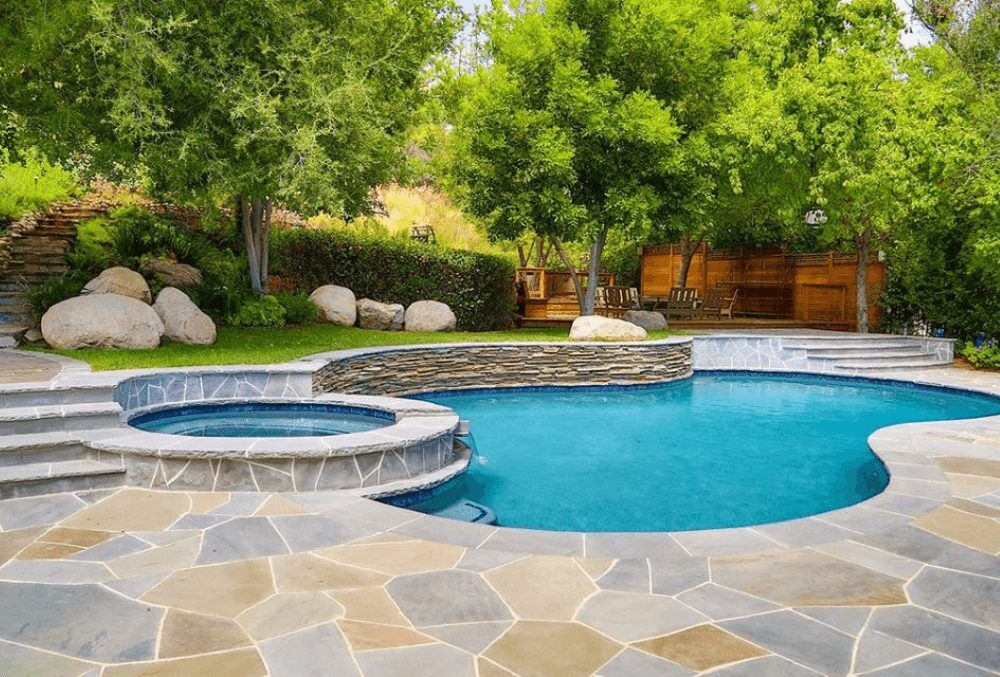
Pool Surrounds and Landscaping
- Slip-resistant finishes increase safety — exposed aggregate driveway benefits
- Colour coordination highlights landscaping features while handling water exposure and weather extremes
- Options include exposed aggregate and sandblasted surfaces for texture that enhances grip and appearance
Textures and Finishes to Pair with Colour
- Exposed Aggregate: Reveals stones within concrete for natural, tactile surfaces with excellent grip — guide to exposed aggregate driveways
- Honed and Sealed: Smooth, slip-resistant finish ideal for polished outdoor areas
- Polished Concrete Outdoors: Luxstone-style reflective surfaces for a premium look — polished coloured concrete ideas
- Broom Finish: Textured for non-slip surfaces with aesthetic variation
- Stamped or Sandblasted: Patterned impressions for realistic stone or brick looks without separate materials — stamped concrete patterns
Landscaping Tips for Coloured Concrete
- Coordinate colours with nearby greenery and plant beds to create harmony
- Integrate architectural materials like brick, stone, and timber for a balanced look
- Choose colour tones that respond well to natural light conditions throughout the day
Sources:
– Panorama Concrete
– Concrete Colour Systems
Comparing Coloured vs Stamped Concrete
When exploring coloured concrete ideas, it’s important to understand how it compares with stamped concrete, another popular decorative option.
What is Stamped Concrete?
Stamped concrete achieves decorative appeal by pressing moulds into fresh concrete, creating patterns mimicking natural stone, brick, or slate. It focuses on texture and embossing rather than integrated colour.
Key Differences
| Aspect | Coloured Concrete | Stamped Concrete |
|---|---|---|
| Primary Feature | Integrated pigment colour and various finishes | Patterned texture with mould impressions |
| Colour Range | Broad range with fade-resistant pigments | Limited to surface stains and colour stains |
| Durability | Colours are permanent and fade-resistant | Patterns may suffer wear; colour can fade |
| Maintenance | Low; permanent colour means less upkeep | Requires periodic resealing to protect colours and patterns |
| Cost | Generally cost-effective due to integrated colour | Can be more expensive due to labour and mould costs |
Which to Choose?
- Choose coloured concrete if you want vibrant, fade-resistant colours with flexible textures and lower maintenance.
- Opt for stamped concrete to achieve realistic stone or brick textures with pattern details but be prepared for more upkeep and higher costs.
This choice depends on your design preference, budget, and maintenance willingness.
Cost Considerations: Understanding Coloured Concrete Driveway Cost
When weighing up coloured concrete ideas, cost plays a crucial role, especially for driveways.
Factors Influencing Coloured Concrete Driveway Cost
- Type of pigment or dye: Full-depth pigment mixing tends to cost more initially but offers permanent colour. Surface dyes are generally cheaper but may require resealing.
- Labour intensity: Complex designs or colour blending increase labour costs.
- Finishing: Options like polishing or sealing add to the price.
- Size and design complexity: Larger areas and intricate patterns raise costs.
Typical Price Range
While prices vary by region and supplier, coloured concrete driveways in Australia typically range:
- $80 to $120 per square metre for standard coloured mixes
- Additional costs for polishing, custom patterns, or sealants — see concrete driveway cost Australia
Consult local suppliers for tailored quotes reflecting your design and location.
Cost-Effectiveness
Despite initial pricing, coloured concrete is cost-effective over time due to:
- Permanent, fade-resistant colour eliminating repainting
- Durable surfaces needing minimal maintenance
- Renovation savings possible when overlaying existing concrete — maintenance tips for concrete driveways
Source: Panorama Concrete
Benefits of Polished Concrete Outdoors
Polished concrete is a highly desirable finish for outdoor areas, providing a smooth, reflective surface that enhances both aesthetics and function.
Advantages of Polished Coloured Concrete Outdoors
- Durability: Resistant to weather extremes including sun, rain, and temperature changes.
- Enhanced natural light: Reflective surface brightens outdoor spaces, possibly reducing lighting costs.
- Slip resistance: Honed and polished finishes maintain grip, improving safety in wet or high-traffic areas.
- Low maintenance: Sealed surfaces resist stains, mould, and grime, making cleaning simple.
- Luxurious appearance: The “luxstone” finish elevates outdoor entertaining zones and pool areas.
Ideal Applications
- High-traffic zones like pathways and driveways — best concrete finishes for driveways
- Patios and social spaces needing a visually striking surface — creative coloured concrete ideas
- Pool surrounds where durability and slip resistance are crucial
Sources:
– Panorama Concrete
– Limecrete
– Concrete Colour Systems
How to Choose the Right Colour and Finish for Your Climate
Selecting the ideal colour and finish is essential for longevity and visual impact when applying coloured concrete ideas.
Using a Concrete Colour Chart Australia
- Choose pigments rated for UV stability to prevent fading under Australia’s intense sun.
- Colour ranges often include earthy neutrals, vibrant tones, and regional palette options calibrated to local environments — concrete colour chart Australia
Matching Colours with Surroundings
- Coordinate with exterior materials such as bricks, stone facades, and timber accents.
- Consider nearby plantings and how greenery will complement or contrast with your concrete colour.
- Reflect on your home architecture style—modern can suit sleek grey hues, while rustic styles may favour warm earth tones.
Considering Natural Light Exposure
- Polished finishes enhance light reflection to make spaces feel brighter.
- Colour perception changes with light intensity, so view samples at different times of day.
Finish Types to Consider
- Polished: Sleek and reflective, ideal for high style.
- Honed: Smooth but less glossy, offering slip resistance.
- Exposed Aggregate: Natural texture with grip, good for pool surrounds and walkways — exposed aggregate benefits
- Stamped or Broom finish: Adds decorative texture and safety.
Use these factors in tandem with the concrete colour chart Australia to make an informed, tailored choice.
Sources:
– Concrete Collaborative
– Heidelberg Materials
Maintenance and Longevity of Coloured Concrete
Coloured concrete ideas offer significant longevity and require only simple maintenance for best results.
Routine Care Recommendations
- Regular cleaning: Sweep or hose down to remove dirt accumulation. Use mild detergents for tough stains on sealed surfaces.
- Sealing: Essential for protecting colours and polished finishes against UV damage, moisture, and stains. Resealing every few years extends life.
- Avoid harsh chemicals: Use neutral cleaning products to prevent surface degradation.
Long-Term Durability
- Colours are integrated into the concrete, so they do not fade or chip like painted surfaces.
- Weatherproof pigments ensure resistance to sun, rain, and foot or vehicle traffic common in Australian climates.
- Polished outdoor concrete keeps its sheen and slip-resistant properties when maintained properly — concrete driveway maintenance tips
Advantage of Polished Concrete Outdoors
- Easy to clean and maintain due to sealed, smooth surfaces.
- Retains slip resistance and aesthetic appeal longer than untreated options.
- Lowers overall upkeep costs and effort.
Consistent maintenance ensures your coloured concrete surfaces look fresh and vibrant for decades.
Sources:
– Concrete Colour Systems
– Limecrete
– VicMix
Frequently Asked Questions
- What is the difference between coloured and stamped concrete?
- How much does a coloured concrete driveway cost in Australia?
- How long does coloured concrete last outdoors?
- Can I seal coloured concrete myself?
What is the difference between coloured and stamped concrete?
Coloured concrete uses integrated pigments for permanent colour with flexible finishes, while stamped concrete uses patterns pressed into fresh concrete to mimic stone or brick textures. Coloured concrete tends to have better colour permanence and lower maintenance.
How much does a coloured concrete driveway cost in Australia?
Typical costs range from $80 to $120 per square metre depending on pigments, labour, finish, and design complexity. Custom patterns and sealants may add to this. Always seek local quotes for accuracy.
How long does coloured concrete last outdoors?
With proper sealing and maintenance, coloured concrete can last several decades maintaining vibrant colour and durability, especially when full-depth pigments and fade-resistant materials are used.
Can I seal coloured concrete myself?
Yes, DIY sealing is possible with appropriate sealants for coloured concrete. However, professional application ensures uniform coverage and maximises protection against UV and stains for best longevity.