 Skip to content


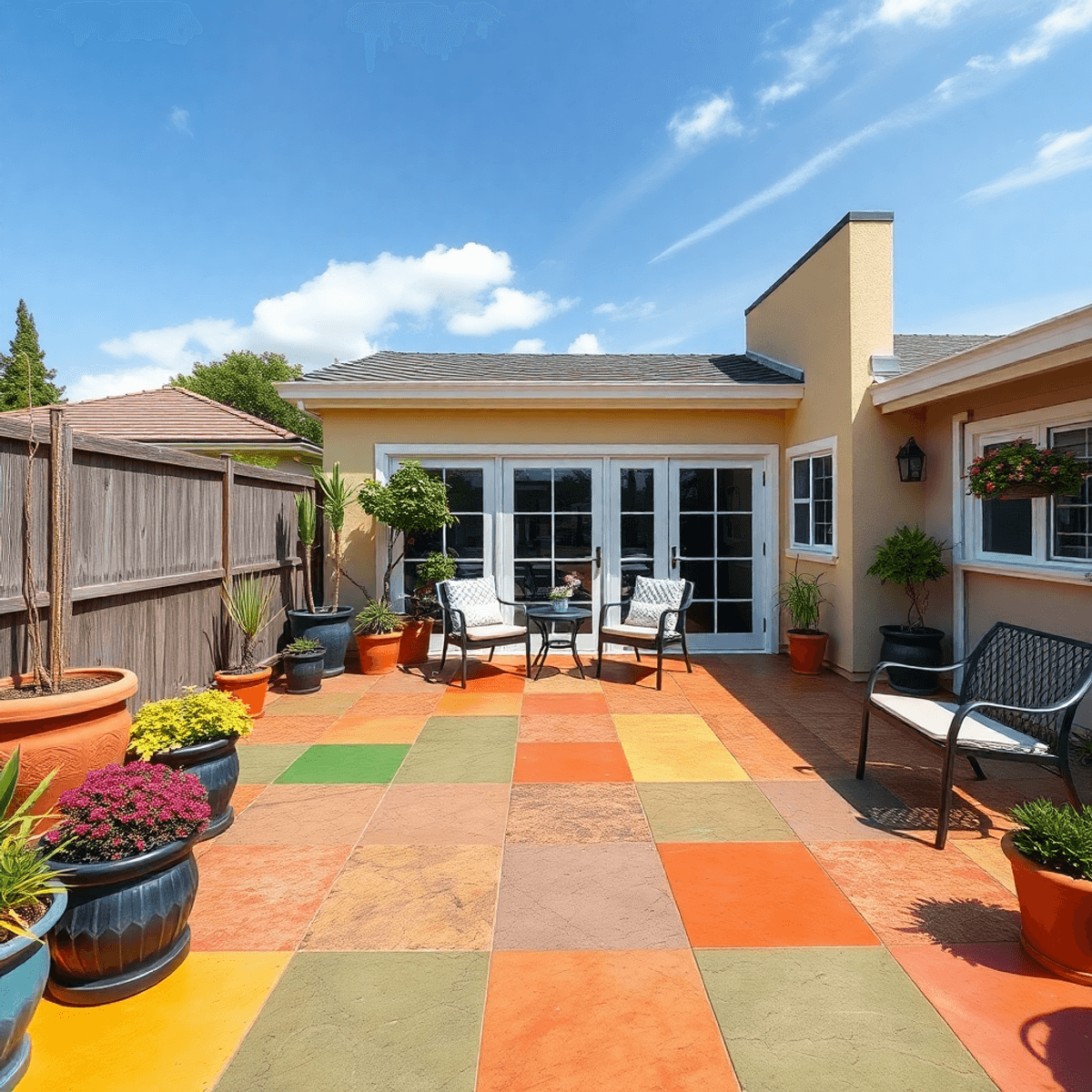
Coloured Concrete Ideas for Stunning Outdoor Spaces
Estimated reading time: 8 minutes
Key Takeaways
- Coloured concrete offers durable, vibrant, and low-maintenance solutions for outdoor spaces with integrated pigmentation.
- Two primary methods—integral colouring and surface treatment—impact appearance and longevity.
- Popular applications include driveways, patios, pathways, retaining walls, and pool surrounds.
- Understanding coloured concrete driveway cost and finishes is key for budgeting and design.
- Polished concrete outdoors provides a sleek, low-maintenance finish, while stamped concrete offers texture and pattern options.
Table of contents
Coloured concrete has revolutionised outdoor design by integrating lasting pigments that provide both colour and resilience. Whether enhancing a driveway with vibrant hues or adding slip-resistant textures to patios, this versatile material transforms traditional grey concrete into a canvas of creativity and durability. Understanding how to select colours, finishes, and budget considerations will empower you to create stunning outdoor spaces that stand the test of time. For more on these ideas, visit this detailed guide.
Overview of Coloured Concrete
Coloured concrete enhances ordinary concrete through pigmentation that impacts both aesthetic and longevity. The two main methods used are:
- Integral colouring: Pigments are added during the batching process, colouring the entire concrete mass. This creates a product permanently coloured within, making it highly resistant to chipping and fading.
- Surface treatment: Applied after concrete cures, this technique uses stains, dyes, or coatings. It’s flexible for complex designs but needs proper sealing to prevent wear over time.
Pigments are specifically formulated to be UV-resistant and weatherproof, maintaining colour integrity despite Australia’s harsh sun, rain, and temperature fluctuations. This durability renders coloured concrete ideal for all outdoor applications. Learn more at Panorama Concrete.
Selecting the right shade is crucial. The concrete colour chart Australia offers a vast palette tailored to various design goals and climates.
- Architectural style: Warm tans and browns evoke rustic charm; greys and charcoals align with modern industrial aesthetics.
- Climate impact: Light colours reflect heat, keeping surfaces cooler, whereas darker tones absorb warmth.
- Landscape harmony: Colours can either blend with natural greenery or create striking contrasts with stonework and plants.
By balancing these factors, homeowners and designers can tailor outdoor surfaces that both complement their environment and perform reliably. For broader inspiration, explore Fischer Landscaping’s creative ideas.
Popular Coloured Concrete Ideas
Coloured concrete’s adaptability allows it to enhance multiple outdoor features with both aesthetic appeal and functional durability.
Driveways and Entries
- Tan bases with brown borders: Reflect heat to keep surfaces cool and provide a warm, traditional look suited to ranch or Mediterranean style homes.
- Grey with charcoal accents: Offers a minimalist, modern feel while minimizing the appearance of dirt. See examples at Mornington Peninsula Concrete Driveways.
Patios and Pool Areas
- Stamped coloured concrete: Adds essential slip resistance and can withstand water and chlorine exposure. Discover more at Stamped Concrete Patterns Guide.
- Cool-tone palettes: Colours such as light grey, soft blue-grey, sage green, and beige-tan reduce heat absorption while uplifting the space visually.
Pathways and Public Spaces
Use vibrant coloured concrete to craft walkways that define zones, guide visitors, and add character to parks or plazas. The material’s robustness suits heavy foot traffic and public areas.
Retaining Walls and Planter Boxes
Custom shapes and colours allow coloured concrete to blend seamlessly with surroundings, providing both function and flair.
Design Flexibility and Patterns
- Options range from subtle colour edging to bold double borders, accommodating rustic, industrial, or modern styles.
Explore more benefits and ideas at SMP Buildcrete and Fischer Landscaping USA.
Coloured Concrete Driveway Cost
Estimating the coloured concrete driveway cost helps homeowners budget effectively.
Typical Price Ranges
- Prices generally range from $70 to $120 per square metre in Australia, influenced by project size and complexity.
Factors Influencing Cost
- Colour complexity and pigment quality: More vivid or multi-tone colours may increase costs.
- Surface preparation: Site clearing, demolition, or earthworks add to expense.
- Size: Larger areas benefit from scale savings but total cost rises accordingly.
- Finish type: Polished or stamped finishes require extra labour and materials.
- Sealing method: High-grade sealers improve longevity but add upfront costs.
Budgeting Tips
- Prioritise long-term durability and fade resistance to save on future repairs.
- Obtain multiple quotes to ensure competitive pricing tailored to your design.
More guidance available at Fischer Landscaping USA.
Polished Concrete Outdoors
Polished concrete outdoors combines the durability of concrete with a sleek and reflective surface achieved by grinding and finishing.
Learn more about its advantages at SMP Buildcrete.
What is Polished Concrete?
- Polishing densifies and seals the concrete surface, reducing porosity.
- Creates a shiny, mirror-like finish, distinct from matte or rough textures.
Benefits for Outdoor Use
- Low maintenance: Resists stains and dirt, making cleaning effortless.
- Aesthetic appeal: Adds sleekness and depth, especially with underlying coloured pigments.
- Ideal for high-traffic areas: Suitable for patios, entertainment zones, and walkways.
Considerations
- Use weatherproof, UV-resistant sealers to protect from sun and moisture damage.
- Apply anti-slip treatments near pools or frequently wet areas, as the polished surface can be slippery when wet.
Combining polished techniques with coloured concrete pigmentation offers a versatile and elegant outdoor finish.
Coloured vs Stamped Concrete
Choosing between coloured vs stamped concrete depends on the aesthetic and functional requirements of your project.
What is Stamped Concrete?
- Concrete that is coloured then imprinted with patterns such as stone, brick, or tile via specialised stamps.
- Adds texture and slip resistance, eliminating grout lines and enhancing visual interest.
Differences from Coloured Concrete
- Coloured concrete offers a smooth, uniform colour focus without texture.
- Stamped concrete combines colour with patterns and roughness for decorative and safety purposes.
Applications
- Stamped concrete suits pools, decorative patios, and landscaped zones.
- Plain coloured concrete is ideal for clean, minimalist driveways and expansive patios.
Cost Comparison
Stamped concrete tends to be pricier due to added labour and tooling, whereas coloured concrete is generally more affordable and easier to maintain.
Pros and Cons
| Feature | Coloured Concrete | Stamped Concrete |
|---|---|---|
| Cost | Lower | Higher |
| Maintenance | Easier, less upkeep | May need more care to retain patterns |
| Appearance | Smooth, clean look | Textured, patterned |
| Slip resistance | Less inherently slip resistant (needs treatment) | Higher due to texture |
| Design versatility | Wide colour range | Varied textures and colours |
Both types require sealing to protect colours and finishes, with professionally sealed concrete lasting 15+ years. Choose based on your style preference, budget, and maintenance willingness. See more at Betonn Concrete.
Conclusion
Coloured concrete is a dynamic solution blending durability, style, and customisation for outdoor spaces. The concrete colour chart Australia makes selecting shades straightforward, while understanding coloured concrete driveway cost assists realistic budgeting.
For a sophisticated finish, polished concrete outdoors offers elegance and easy upkeep, whereas the choice between coloured vs stamped concrete depends on your texture and design needs.
By leveraging these insights and consulting professionals, you can confidently design outdoor spaces that are as striking as they are enduring.
Frequently Asked Questions
- What are the main methods of colouring concrete?
- Is coloured concrete suitable for Australian climates?
- How much does a coloured concrete driveway typically cost?
- What is the difference between polished and stamped concrete?
What are the main methods of colouring concrete?
Integral colouring, where pigments are mixed into the concrete, and surface treatment methods such as staining or dyeing after curing are the primary methods used.
Is coloured concrete suitable for Australian climates?
Yes. Coloured concrete pigments are UV-resistant and weatherproof, maintaining vibrancy despite sun, rain, and temperature changes common in Australia.
How much does a coloured concrete driveway typically cost?
Costs range between approximately $70 and $120 per square metre, depending on size, finish, and design complexity.
What is the difference between polished and stamped concrete?
Polished concrete offers a smooth, reflective, and low-maintenance surface, while stamped concrete adds patterns and texture for decorative and slip-resistant benefits.