 Skip to content


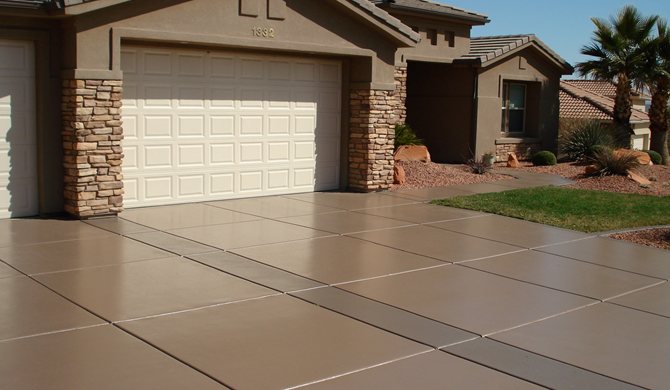
Coloured Concrete Ideas to Transform Your Driveway and Outdoor Spaces
Estimated reading time: 10 minutes
Key Takeaways
- Coloured concrete incorporates pigments into the mix, offering durable, consistent colour ideal for outdoor spaces like driveways and patios.
- Popular methods include integral colouring, dry-shake hardeners, and topical stains, each with unique benefits and applications.
- Using a concrete colour chart Australia helps choose tones that suit environment and style.
- Polished concrete outdoors enhances durability and aesthetic appeal with a smooth, reflective finish that protects colour.
- Understanding coloured concrete driveway cost and comparing with stamped concrete guides budget and design choices.
Table of contents
- What is Coloured Concrete? Understanding the Basics
- Creative Coloured Concrete Ideas for Outdoor Spaces
- Comparing Coloured Concrete vs Stamped Concrete
- Understanding the Cost Factor: Coloured Concrete Driveway Cost
- The Role of Polished Concrete Outdoors
- How to Choose the Right Colour Using a Concrete Colour Chart Australia
- Maintenance and Longevity of Coloured and Polished Concrete Outdoors
- Frequently Asked Questions
What is Coloured Concrete? Understanding the Basics
Coloured concrete is a technique where pigments or oxides are mixed directly into the concrete, resulting in a consistent colour throughout the slab. This method ensures the colour remains *vibrant and durable* over time, unlike paints or surface coats.
Key Colouring Methods:
- Integral colour: Pigments blended into wet concrete before pouring for uniform, fade-resistant hues.
- Dry-shake coloured hardener: A dry powder applied to the surface early in curing adds colour and surface hardness.
- Topical methods: Surface stains, dyes, or overlays applied after curing for decorative effects but less uniformity.
Using a concrete colour chart Australia is helpful to preview shades and find tones suited for Australian environments, from earthy reds to striking greens.
For more detailed insights, see:
Comprehensive Guide to Coloured Concrete Driveways
What is Coloured Concrete?
Pros and Cons of Coloured Concrete
Colour Through Concrete
Coloured Concrete Ideas Outdoor
Creative Coloured Concrete Ideas for Outdoor Spaces
Why settle for plain grey when your driveway or patio can have personality? Here are some standout ideas to transform your outdoor areas:
Single-Tone Finishes
A sleek, minimalist option using a solid colour. Neutral earthy tones like beiges and browns blend with Australian landscapes and provide timeless elegance—perfect for patios or pool surrounds.
Multi-Colour Blends and Patterns
Add vibrancy by mixing pigments to create gradients, swirls, or more complex patterns. Think combinations like grey with subtle blues or reds blending into browns to enliven your driveway and patio.
Textured Effects
Imitate natural surfaces like stone or wood with textures paired with colour. For example, combining polished concrete outdoors with embossing enhances both slip resistance and aesthetic appeal.
Bold Colours for Impact
Choose striking reds, blues, or greens to make a statement. Bold colours boost curb appeal for driveways but should be balanced with your home’s style for harmonious design.
Explore more ideas here:
Pros and Cons of Coloured Concrete
Coloured Concrete vs Plain Concrete
Colour Through Concrete
Creative Coloured Concrete Ideas
Comparing Coloured Concrete vs Stamped Concrete
Both options enhance outdoor spaces but serve different purposes. Consider your priorities to decide:
| Coloured Concrete | Stamped Concrete | |
|---|---|---|
| Colouring | Full-depth pigmentation throughout slab. | Surface-level colour on textured imprints. |
| Pros | – Uniform fade-resistant hue – Low maintenance – Durable for traffic areas | – Can mimic natural materials like stone or brick – Highly versatile design options |
| Cons | – Limited boldness for darker tones – Higher cost for rich colours | – Colour does not penetrate fully – Patterns may wear over time |
| Best For | Driveways and high-traffic areas needing longevity and uniform aesthetics. | Decorative patios and entertainment areas focusing on texture. |
In summary, coloured concrete is favoured where long-lasting, consistent colours are important, while stamped concrete excels at replicating natural textures.
Helpful references:
Pros and Cons of Coloured Concrete
Comprehensive Guide to Coloured Concrete Driveways
Stamped Concrete Patterns Guide
Understanding the Cost Factor: Coloured Concrete Driveway Cost
Budgeting for your project means knowing what affects the coloured concrete driveway cost.
Typical Price Range
Coloured concrete usually comes at a premium compared to plain concrete due to materials, pigments, and added labour.
Cost Factors Include:
- Size and Slab Thickness: Larger surfaces require more materials and labour.
- Colour Intensity: Darker or more vibrant pigments cost more.
- Finishing Method: Polishing, sealing, or stamping add costs for labour and materials.
- Labour Complexity: Hard-to-access sites or difficult prep increase charges.
Stamped concrete often costs more than coloured concrete due to moulding and texturing requirements, but prices vary with suppliers.
For detailed cost info, visit:
Coloured Concrete vs Plain Concrete
Comprehensive Guide to Driveway Costs
Concrete Driveway Cost Australia
The Role of Polished Concrete Outdoors
Polished concrete outdoors enhances coloured concrete by grinding and sealing the surface to create a sleek, reflective finish.
Key Benefits:
- Durability: Resists weather, foot traffic, and abrasion better.
- Low Maintenance: Easier cleaning and fewer repairs needed.
- Aesthetic Appeal: Enhances colour depth and adds modern gloss.
Polishing can be paired with UV-stable pigments to prevent fading under Australian sun. Glossy sealants work well with bold colours, while matte finishes suit subtler tones.
Learn more:
Colour Through Concrete
What is Coloured Concrete?
How to Choose the Right Colour Using a Concrete Colour Chart Australia
Choosing the right colour involves more than preference—consider environment and style with tools like the concrete colour chart Australia.
Tips for Effective Selection:
- Match Local Environment:
Earthy reds and browns suit inland areas; light neutrals and blues fit coastal locales. - Consider Style and Trends:
Modern designs prefer greys, slate blues and natural hues. - Test Samples On-Site:
Colours appear differently in natural light—always test before committing.
Look for pigments compliant with AS 1379 to ensure durability and consistency over time.
Further reading at:
Pros and Cons of Coloured Concrete
Colour Through Concrete
What is Coloured Concrete?
Coloured Concrete Ideas Outdoor
Maintenance and Longevity of Coloured and Polished Concrete Outdoors
To keep your coloured concrete looking its best and lasting for decades, proper care is essential.
Maintenance Recommendations:
- Annual Sealing:
Sealants guard against fading, stains, and surface damage. - Regular Cleaning:
Sweep frequently and clean with pH-neutral products—avoid harsh chemicals that harm sealants. - Integral Colour Advantage:
Since colour penetrates the entire slab, chips don’t reveal uncoloured concrete, preserving appearance.
Following these tips protects your investment and minimizes expensive repairs.
More info at:
What is Coloured Concrete?
Colour Through Concrete
Comprehensive Guide to Coloured Concrete Driveways
Concrete Driveway Maintenance Tips
Frequently Asked Questions
- What makes coloured concrete more durable than surface paint?
- Is polishing necessary for coloured concrete outdoors?
- How do I select and test colours effectively?
- What is the typical lifespan of coloured and polished concrete?
- Are there special maintenance routines for stamped vs coloured concrete?
What makes coloured concrete more durable than surface paint?
Unlike paint, coloured concrete has pigments mixed throughout the slab, making the colour resistant to fading and wear even with chips or scratching.
Is polishing necessary for coloured concrete outdoors?
Polishing is not mandatory but highly recommended. It improves durability, enhances colour vibrancy, and makes maintenance easier through a sealed, smooth surface.
How do I select and test colours effectively?
Use a concrete colour chart to narrow options, then test sample patches onsite under natural light at different times to see true hues before deciding.
What is the typical lifespan of coloured and polished concrete?
With proper installation and maintenance, coloured concrete can last 20+ years, and polishing can extend this lifespan by protecting the surface.
Are there special maintenance routines for stamped vs coloured concrete?
Yes. Stamped concrete often requires more frequent resealing due to surface texture, while coloured concrete benefits from regular cleaning and sealing due to its integral pigmentation.