 Skip to content


Coloured Concrete Ideas: Creative, Durable, and Affordable Outdoor Finishes
Estimated reading time: 12 minutes
Key Takeaways
- Coloured concrete integrates pigments directly into the mix, ensuring durable, long-lasting colour that won’t peel or fade.
- Using a concrete colour chart Australia helps select the perfect shade matching your outdoor design and climate.
- Creative outdoor applications include driveways, patios, pool surrounds, and pathways with a range of colours and finishes.
- Coloured concrete is cost-effective over time, balancing aesthetics, durability, and low maintenance.
- Polished coloured concrete adds sophistication outdoors but requires sealant upkeep; choice between coloured vs stamped concrete depends on design and budget.
Table of contents
- Overview of Coloured Concrete: What Makes It Different?
- Creative Coloured Concrete Ideas for Outdoor Spaces
- Coloured Concrete Driveway Cost: What to Expect
- Polished Concrete Outdoors: Stylish and Functional
- Coloured vs Stamped Concrete: Which One to Choose?
- Concrete Colour Chart Australia: Choosing the Perfect Shade
- Conclusion
- Frequently Asked Questions
Overview of Coloured Concrete: What Makes It Different?
Coloured concrete is concrete with pigments such as iron oxides incorporated directly into the mix, distinguishing it from traditional grey concrete that depends on surface coatings. This method, known as integral colouring, ensures consistent tone right through the slab, not just on the surface. As a result, the colour remains intact even if the concrete surface wears down over time.
Key points about integral colouring and coloured concrete:
- Pigments are added during mixing, not painted on.
- Colour penetrates the entire slab for uniformity.
- Unlike surface paints, colours won’t peel or require frequent reapplication.
- Resistant to UV rays, preventing fading in harsh Australian sun.
- Maintains durability under heavy foot or vehicle traffic.
- Available in many colour options referenced in concrete colour charts for Australia.
Other methods like stains or dyes are applied to the surface and do not offer the same longevity or consistency as integral coloured concrete.
The benefits of coloured concrete include:
- Durability: Withstands the Australian climate and daily wear.
- Low maintenance: Does not need frequent touch-ups.
- Design flexibility: Wide range of colours and finishes like broomed or exposed aggregate.
Coloured concrete is not just practical but adds instant aesthetic value to outdoor and indoor spaces with its variety of available shades and textures.
For a detailed explanation of how pigments integrate to enhance durability, see Boral’s guide on benefits of coloured concrete.
Creative Coloured Concrete Ideas for Outdoor Spaces
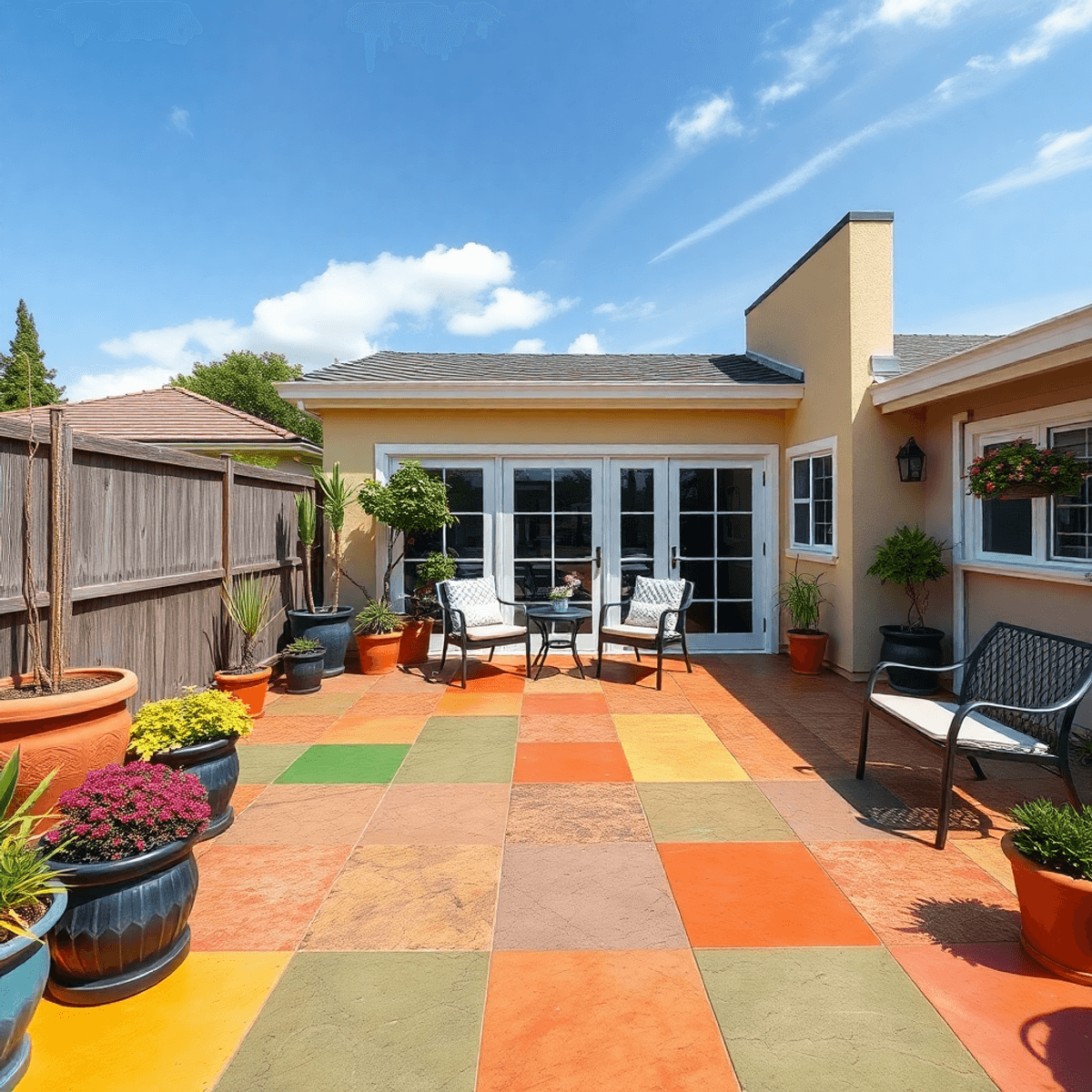
Transforming outdoor areas through coloured concrete opens a wide array of design opportunities that fit virtually any style or function. Here are some popular and trending ideas for driveways, patios, pool surrounds, and walkways:
Driveways
A coloured concrete driveway not only boosts your home’s curb appeal but is engineered to withstand the heavy loads of vehicles. You can personalise it with colour schemes like:
- Tan base with brown borders: Ideal for traditional, Mediterranean, or rustic settings.
- Grey with charcoal accents: Perfect for modern, minimalist architectural designs.
For more on driveway finishes and benefits, see the comprehensive guide on exposed aggregate driveway options and coloured concrete finishes.
Patios and Decks
Bring your outdoor living spaces to life with coloured concrete that blends seamlessly with landscaping and furniture. Using neutral or earthy tones ensures versatility, while adding colour borders or patterns introduces character.
Pool Surrounds
Selecting cool-tone colours such as light grey, soft blue-grey, or sage green can provide heat-reflective surfaces around your pool area. These colours keep the deck cooler underfoot and add soothing, water-inspired aesthetics.
Pathways and Walkways
Use vibrant or subtle coloured concrete to create inviting paths. This helps unify gardens and outdoor spaces with visual interest and improved functionality.
Finishes and Patterns
Beyond colour, consider finishes like broomed for slip resistance, exposed aggregate for texture, or stamped patterns for decorative effects. Combining these can enhance the sophistication and individuality of your outdoor space.
Using a concrete colour chart Australia is essential in selecting colour combinations that suit your style, local climate, and design objectives. Many suppliers offer sample charts to match hues with your project and surroundings.
For more inspiration and specific design ideas tailored to Australian conditions, check out Panorama Concrete’s resource on coloured concrete applications.
Pool heat-reflective colours source: https://fischerlandscapingusa.com/creative-uses-of-colored-concrete-in-modern-landscaping/
Additional driveway finish ideas available at Best Concrete Finish for Driveway Guide
Coloured Concrete Driveway Cost: What to Expect
Understanding the coloured concrete driveway cost is essential before committing to a project. Several factors influence the final price:
- Pigment quality: Higher-grade pigments provide richer colours and better UV resistance.
- Labour complexity: Intricate designs or multi-coloured borders increase installation time.
- Project size: Larger driveways require more materials and labour.
- Design intricacy: Patterns, finishes, and borders add to the total cost.
While coloured concrete driveways typically have a higher upfront price compared to standard grey concrete, their longevity, low maintenance, and aesthetic appeal offer excellent long-term value.
Here’s a simplified cost comparison:
| Material | Initial Cost | Maintenance | Longevity |
|---|---|---|---|
| Standard Grey Concrete | Low | Moderate (sealing) | Moderate |
| Coloured Concrete | Moderate to High | Low | High |
| Natural Stone | High | Low | High |
| Brick Pavers | Moderate to High | Moderate | Moderate |
| Asphalt | Low | High | Moderate |
Choosing coloured concrete balances cost-effectiveness with design flexibility often surpassing brick and natural stone over time.
For a detailed assessment of pros and cons around the cost of coloured concrete, visit Concept Concrete’s blog on pros and cons of coloured concrete. For additional budgeting tips related to driveway costs, see Concrete Driveway Cost in Australia.
Polished Concrete Outdoors: Stylish and Functional
Polished concrete outdoors involves grinding coloured concrete to create a smooth, glossy surface that looks elegant and reflects light effectively. While polished concrete is traditionally used indoors, it can also be applied to outdoor areas, especially where some protection from weather exists, such as covered patios or verandas.
Benefits of Polished Concrete Outdoors
- Increased stain resistance, making it ideal for BBQ areas or outdoor kitchens.
- Easy to clean due to its smooth surface.
- Enhanced durability beneath shade or protection from harsh weather.
Maintenance Considerations
- Requires regular sealing to maintain the glossy finish and prevent damage from moisture and UV exposure.
- Direct exposure to rain, sun, and temperature changes may reduce the shine over time.
Polished coloured concrete blends form and function, adding a sophisticated element to your outdoor area while retaining the colour benefits.
For practical advice on polished concrete’s outdoor use and upkeep, see Panorama Concrete’s expert overview at coloured concrete applications.
Coloured vs Stamped Concrete: Which One to Choose?
Understanding the difference between coloured vs stamped concrete can help you select the best finish for your project. Both can be coloured but feature distinct processes and appearances.
| Aspect | Coloured Concrete | Stamped Concrete |
|---|---|---|
| Process | Pigments mixed uniformly into the concrete | Patterns pressed into wet concrete |
| Appearance | Solid, consistent colours throughout | Surface patterns mimicking stone, brick, or tile |
| Durability | Colour lasts through the slab with wear | Patterns may wear or fade on surface |
| Maintenance | Low maintenance; sealing recommended | Low maintenance; sealing recommended |
| Design Options | Wide colour ranges and finishes | Decorative pattern variety |
| Cost | Generally more affordable | Often more expensive due to labour |
Which to Choose?
- Coloured concrete is ideal if you want even, long-lasting colour integrated into your driveway, pathway, or patio.
- Stamped concrete suits those aiming for decorative patterns resembling natural materials combined with colour.
- Budget and design goals are key factors; coloured concrete driveways typically cost less, while stamped concrete offers more detailed surface styling.
This comparison equips you to balance aesthetics, cost, and durability according to your outdoor project requirements.
Further details and examples are available via Panorama Concrete’s informative guide at coloured concrete applications and the comprehensive guide on stamped concrete patterns.
Concrete Colour Chart Australia: Choosing the Perfect Shade
A concrete colour chart Australia is an essential tool for selecting the right pigments for your coloured concrete project. These charts display available colours and combinations, helping you visualise how shades will look once applied.
Using a Colour Chart Effectively:
- View samples in natural light to understand real-world appearance.
- Consider regional preferences; earthy tones and heat-reflective colours are popular in Australia to help manage harsh sunlight.
- Match colours with your home’s architectural style and existing landscaping.
- Order small test patches before full installation to confirm your choice.
Popular Colour Schemes in Australia
- Tan with brown borders: Traditional and popular for Mediterranean-style homes.
- Grey with charcoal: Contemporary and sleek, complementing modern designs.
Colour charts often include commonly used pigment systems like Boral’s Colori® oxides, known for their consistent and durable results. Selecting the right colour upfront ensures satisfaction and fewer issues down the line.
For a comprehensive view of Australian colour trends and selection tips, see Boral and Fischer Landscaping USA.
Sources:
– http://www.boral.com.au/benefits-coloured-concrete
– https://fischerlandscapingusa.com/creative-uses-of-colored-concrete-in-modern-landscaping/
– For practical use of colour charts in project planning, check Creative Coloured Concrete Ideas for Stunning and Durable Outdoor Spaces
Conclusion
Coloured concrete ideas offer homeowners and businesses in Australia creative, durable, and affordable options to enhance outdoor spaces. Whether upgrading a driveway, patio, pool area, or walkway, coloured concrete’s long-lasting colour, low maintenance, and vast design flexibility make it a superior choice.
Consider integrating polished concrete outdoors in shaded areas for added gloss and ease of cleaning. Weigh the advantages of coloured vs stamped concrete to find the best balance between your aesthetic goals and budget. Use a concrete colour chart Australia to guide your colour selection process, ensuring harmony with your property and the climate.
With professional installation and careful maintenance such as periodic sealing, coloured concrete will enhance your property’s value and curb appeal for decades. Explore the creative possibilities available and transform your outdoor space with confidence.
For further inspiration and expert advice, visit Fischer Landscaping USA’s detailed resource on coloured concrete applications.
Frequently Asked Questions
- What is coloured concrete and how does it differ from standard concrete?
- Is coloured concrete durable enough for driveways and heavy use?
- How do I choose the right colour for my project?
- What maintenance does coloured concrete require outdoors?
- How does coloured concrete cost compare to other materials?
What is coloured concrete and how does it differ from standard concrete?
Coloured concrete incorporates pigments into the concrete mix itself (integral colouring), unlike standard grey concrete which is unpigmented. This ensures consistent, long-lasting colour throughout the slab rather than just on the surface.
Is coloured concrete durable enough for driveways and heavy use?
Yes. Coloured concrete uses the same strong base materials as standard concrete and is resistant to UV fading and wear, making it suitable for driveways, patios, and pathways.
How do I choose the right colour for my project?
Use a concrete colour chart Australia and view samples in natural light. Consider your home’s style, surroundings, and climate preferences such as heat-reflective colours.
What maintenance does coloured concrete require outdoors?
Coloured concrete requires minimal maintenance. Periodic sealing is recommended to preserve the surface and colour vibrancy, especially for polished finishes.
How does coloured concrete cost compare to other materials?
Coloured concrete usually has a moderate upfront cost but offers longer longevity and lower maintenance compared to brick, natural stone, or asphalt options.