 Skip to content


Stamped Concrete Patterns: The Ultimate Guide for Modern Outdoor Spaces
Estimated reading time: 15 minutes
Key Takeaways
- Stamped concrete patterns imitate natural materials such as stone, brick, tile, and wood with durable, attractive finishes.
- Stencil concrete offers flat or lightly textured decorative patterns, often with lower costs and easier installation.
- Comparing stamped concrete vs pavers shows differences in durability, maintenance, appearance, and repair options.
- Typical stamped concrete cost per m² ranges between US$75 and US$190, influenced by pattern complexity and site conditions.
- Maintaining stamped and stencil concrete involves regular cleaning, sealing, and addressing slip resistance for longevity.
Table of contents
- What is Stamped Concrete? Understanding Stamped Concrete Patterns and Concrete Imprint Designs
- What is Stencil Concrete? Insights into Stencil Concrete Driveways and Concrete Imprint Designs
- Comparing Stamped Concrete vs Pavers: Appearance, Durability, and Maintenance
- Cost Considerations: Stamped Concrete Cost per m² and Price Comparisons
- Concrete Imprint Designs: Popular Stamped and Stencil Patterns and Styles
- Maintenance and Longevity: Caring for Stamped Concrete Patterns, Stencil Concrete Driveways, and Concrete Imprint Designs
- Suitability for Driveways and Outdoor Spaces: Choosing the Right Surface
- Conclusion
- Frequently Asked Questions
Stamped concrete patterns have become a favourite solution for homeowners and designers alike seeking to transform outdoor spaces with stylish, durable surfaces. This guide will walk you through everything you need to know—from installation methods to design options, pricing, and maintenance. Whether you’re considering stamped concrete, stencil concrete, or pavers, this article has you covered.
What is Stamped Concrete? Understanding Stamped Concrete Patterns and Concrete Imprint Designs
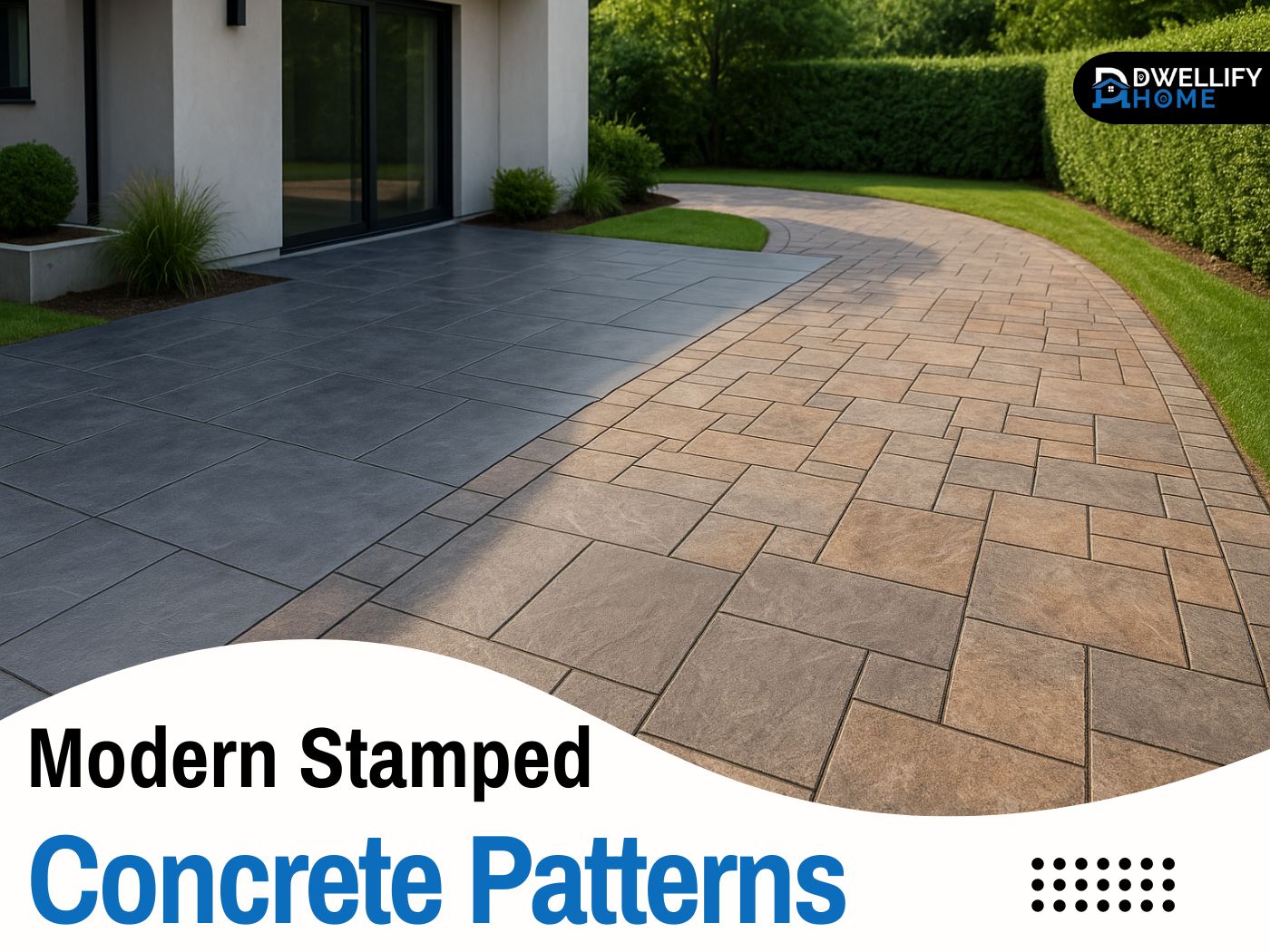
Stamped concrete is a decorative technique where freshly poured concrete is coloured and then imprinted with patterns and textures while still wet. This innovative process allows replication of high-end natural materials like stone, brick, tile, and wood, resulting in an affordable, durable surface.
How Stamped Concrete is Created
- Pouring and Leveling: Concrete is poured into forms and carefully leveled to be smooth.
- Colouring: Integral colour, surface-applied colour hardeners, or release agents add rich tones.
- Stamping: Polyurethane mats or stamps press detailed textures onto the concrete to mimic materials.
- Curing and Joint Cutting: The slab cures, and joints are cut to control cracking.
- Cleaning and Sealing: Final sealing protects colour and surface integrity over time.
For an in-depth look at installation, see our Hire Driveway Concreter Mornington Peninsula guide.
Common Stamped Concrete Patterns and Concrete Imprint Designs
- Stone / Flagstone
- Brick patterns: running bond, herringbone, basketweave
- Slate and cobblestone
- Tile layouts
- Wood plank textures
Aesthetic Versatility of Stamped Concrete Patterns
- Colours: Multi-tonal and antique release colours add depth and richness.
- Patterns and Layouts: Borders, accents, and various combinations create unique visual effects.
- Textural Relief: 3D embossing replicates natural textures like stone and wood.
This flexibility offers a cost-effective alternative to real stone or timber surfaces.
Explore differences between stamping and stenciling at these resources:
carpetremovalsydney.com.au
texasconcretereadymix.com
everlastservices.com.au
What is Stencil Concrete? Insights into Stencil Concrete Driveways and Concrete Imprint Designs
Stencil concrete creates decorative patterns by placing temporary, non-adhesive stencils on fresh or existing concrete surfaces. Colour is applied over the stencil, producing flat or lightly textured patterns resembling grout or mortar joints common in brick or tile installations.
Key Differences from Stamped Concrete Patterns
- Surface Texture: Stencil concrete yields flat or subtle texture, unlike the 3D relief of stamping.
- Pattern Creation: Patterns are defined by stencils overlaying colour, rather than textured imprinting.
- Application: Can be applied on new concrete or overlays on existing slabs.
How Stencil Concrete Driveways Are Made
- Stencils are positioned on fresh concrete or overlays.
- Colour is sprayed or trowelled over the stencil.
- Stencil removal leaves visible “joint” lines.
- Often paired with broom or roller textures for better slip resistance.
Typical Designs and Benefits
- Brick and paver grids
- Tile and stone layouts
- Borders and running bond patterns
Benefits include quicker application, lower cost, improved non-slip surfaces, and suitability for DIY projects.
Learn more from these links:
everlastservices.com.au
concretestenciling.com
carpetremovalsydney.com.au
Comparing Stamped Concrete vs Pavers: Appearance, Durability, and Maintenance
Appearance
- Stamped concrete patterns: Continuous slabs with integrated, seamless textures mimicking stone, brick or wood.
- Pavers: Individual units installed with joints, creating distinct shadow lines and classic aesthetics.
Durability
- Stamped concrete: Strong and weather-resistant but can crack if not properly installed; control joints mitigate risk.
- Pavers: Very durable; units can move slightly to reduce cracking and can be replaced individually.
Installation
- Stamped concrete involves one concrete pour with stamping while wet.
- Pavers require base prep and careful placement of many individual units.
Maintenance
- Stamped concrete needs cleaning and resealing every 2–3 years.
- Pavers require joint sand replenishment, weed control, and occasional leveling.
Repair
- Stamped concrete repairs can be difficult and sometimes visible.
- Pavers allow easy replacement of individual units without noticeable repair marks.
Design Flexibility
- Stamped concrete offers wide pattern, colour, and texture customisation.
- Pavers are limited by fixed shapes and colours but maintain a timeless look.
Pros and Cons Summary for Stamped Concrete vs Pavers
| Pros of Stamped Concrete | Cons of Stamped Concrete |
|---|---|
| Lower initial cost than quality pavers | Visible cracking can be difficult to fix |
| Seamless surface with fewer trip hazards | Requires resealing to maintain appearance |
| Highly customisable patterns and colours | Potentially slippery when sealed |
For further details visit:
texasconcretereadymix.com
carpetremovalsydney.com.au
concretedecor.net
See also our Exposed Aggregate Driveway: The Ultimate Guide to Concrete Driveway Finishes and Benefits.
Cost Considerations: Stamped Concrete Cost per m² and Price Comparisons
Stamped Concrete Cost per m²
Stamped concrete typically costs US$75 to US$190 per m². This range depends on several factors such as:
- Design complexity and detail
- Number and type of colours or antiquing techniques
- Site preparation and accessibility
- Labour skill and experience
- Sealing and finishing needs
Stencil Concrete Cost
Stencil concrete, including materials like dyes and stencils, can cost approximately US$160 to US$320 per m². It may sometimes be cheaper due to less labour intensity.
Paver Costs
Pavers usually have higher total costs because of:
- More expensive materials like natural stone or quality bricks
- Labour-intensive installation including base preparation and laying individual units
Key Price Influencers
- Pattern intricacy (custom logos and multi-pattern layouts raise costs)
- Colour complexity (single tone vs multi-tone finishes)
- Site factors such as excavation, drainage, and reinforcement needs
- Sealing quality and frequency
For deeper price comparisons and concrete finish types, see:
everlastservices.com.au
duraamen.com
texasconcretereadymix.com
carpetremovalsydney.com.au
Also consider our Concrete Driveway Cost in Australia guide for broader budgeting tips.
Concrete Imprint Designs: Popular Stamped and Stencil Patterns and Styles
Popular Stamped Concrete Patterns
- Random stone / flagstone
- Ashlar slate
- Cobblestone
- Brick patterns: running bond, herringbone, basketweave
- Tile arrangements: square, diagonal, large-format
- Wood plank and boardwalk textures
- Custom logos, decorative borders, and medallions using specialty stamp mats
Stencil Concrete Patterns
- Grid layouts mimicking brick and paver patterns
- Tile and stone patterns with clean, sharp joint lines
- Borders and inlays
- Patterns often enhanced with broom or roller textures for slip resistance
Customisation Options
- Colour matching with architectural features and landscaping
- Pattern coordination based on property style — classic brick for traditional, large slate or grid for modern spaces
- Textural variance: stamped concrete offers rich 3D texture, stencil excels at crisp flat patterns
Discover real-world examples here:
texasconcretereadymix.com
carpetremovalsydney.com.au
concretestenciling.com
concretedecor.net
For more decorative concrete ideas, visit our Coloured Concrete Ideas guide.
Maintenance and Longevity: Caring for Stamped Concrete Patterns, Stencil Concrete Driveways, and Concrete Imprint Designs
Stamped Concrete Maintenance
- Durable and weather-resistant for residential and commercial use.
- Requires cleaning and resealing approximately every 2–3 years to keep colour vibrant and protect against stains.
- High-gloss sealers can cause slipperiness; non-slip additives recommended for driveways, pools, and high-traffic areas.
Stencil Concrete Longevity
- Hard-wearing and often needs resealing every few years.
- Generally less slippery due to flatter texture and broom or roller finishes.
- Overlays on existing slabs can chip or crack but are easier and cheaper to repair or recoat than deep pattern stamping.
Paver Maintenance
- Long-lasting if properly installed.
- Easy repairs by replacing individual units.
- Mainly involves joint sand replenishment, weed control, and leveling; sealing is optional.
Tips to Extend Stamped Concrete Life
- Use high-quality concrete mix and adequate base preparation.
- Install control joints to reduce cracking.
- Choose appropriate sealers and avoid build-up or peeling.
- Clean spills promptly.
- Limit use of harsh de-icing salts.
- Apply non-slip additive sealers for safety in wet or high-traffic zones.
For more maintenance info, visit:
carpetremovalsydney.com.au
texasconcretereadymix.com
concretedecor.net
See our detailed Concrete Driveway Maintenance Tips: Essential Guide to Cleaning, Repairing, Sealing, and Resurfacing.
Suitability for Driveways and Outdoor Spaces: Choosing the Right Surface
Stamped Concrete Patterns for Driveways and Patios
- Ideal for newly poured slabs subject to heavy foot and vehicle traffic.
- Delivers continuous, seamless surfaces with natural stone or wood look.
- Not typically a DIY overlay for driveways due to installation complexity.
Stencil Concrete Driveways and Outdoor Areas
- Works well on both new concrete and existing slabs with overlays.
- Offers non-slip, flat surfaces featuring crisp brick or tile aesthetics.
- Favoured for commercial and municipal projects requiring durability and pedestrian-friendly finishes.
Paver Suitability
- Great for modular repairability and drainage between units.
- Classic appearance widely appreciated in various climates, including freeze-thaw regions.
Matching Options to Needs
| Needs | Best Option |
|---|---|
| Dramatic, realistic stone/wood looks | Stamped concrete patterns |
| Cost-effective, non-slip overlays | Stencil concrete driveway |
| Modular, easy-to-repair surfaces | Pavers |
For detailed comparisons visit:
texasconcretereadymix.com
carpetremovalsydney.com.au
everlastservices.com.au
concretedecor.net
Conclusion
Selecting the optimal surface for your driveway or outdoor area depends on your priorities:
- Stamped concrete patterns offer authentic textured finishes in stone, brick, tile, and wood styles on a continuous slab. They are moderately priced and highly customisable but require resealing to maintain appearance.
- Stencil concrete driveways deliver flat, sharply defined brick and tile looks that work well on overlays and existing slabs. They provide better slip resistance with easier, cost-effective installation and maintenance.
- Pavers provide classic modular surfaces that are durable and easy to repair but tend to have higher upfront costs and joint maintenance needs.
Factoring in the stamped concrete cost per m² alongside your aesthetic, budget, maintenance, and installation preferences will guide you to the best choice.
For more guidance and references, see:
texasconcretereadymix.com
everlastservices.com.au
carpetremovalsydney.com.au
betonnconcrete.com.au
betonnconcrete.com.au
Frequently Asked Questions
- What are the main advantages of stamped concrete patterns?
- How does stencil concrete differ from stamped concrete?
- Which is more cost-effective: stamped concrete, stencil concrete, or pavers?
- How often should stamped concrete be resealed?
- Are stamped concrete surfaces slippery?
What are the main advantages of stamped concrete patterns?
They provide realistic textures and patterns replicating natural materials with high durability and seamless appearance, along with extensive customisation in colours and layout.
How does stencil concrete differ from stamped concrete?
Stencil concrete creates flat or lightly textured graphic patterns by applying colour over stencils, while stamped concrete imprints deep 3D textures onto fresh concrete using stamps.
Which is more cost-effective: stamped concrete, stencil concrete, or pavers?
Stamped concrete generally costs less than quality pavers but more than some stencil concrete. Stencil concrete can be cheaper due to simpler materials and installation.
How often should stamped concrete be resealed?
Typically every 2 to 3 years, depending on foot and vehicle traffic, exposure to weather, and type of sealer used.
Are stamped concrete surfaces slippery?
They can become slippery when sealed with high gloss or if overly smooth. Using slip-resistant additives in sealers is recommended especially in wet or high-traffic areas.